Front Suspension Health & Cost Estimator
Vehicle Profile
Assessment Results
Based on your inputs below
Enter details to see analysis.
Component Status
Includes parts + labour for identified issues. Excludes wheel alignment (£30-£60).
There is no single expiration date stamped on your car’s front suspension. If someone tells you it lasts exactly 100,000 miles, they are guessing. The truth is messier and depends entirely on where you drive, how hard you brake, and the quality of the parts installed when the car left the factory.
However, there are realistic benchmarks. For most drivers in the UK, a standard set of shock absorbers will start to degrade noticeably between 60,000 and 80,000 miles. Struts, which are more complex assemblies, often last longer but fail catastrophically rather than gradually. Meanwhile, rubber components like bushings can rot away in half that time if you live near the coast or use road salt in winter.
Ignoring these timelines doesn’t just ruin your ride comfort; it compromises braking distance and steering control. Here is what you need to know about how long your front suspension should last, how to spot early failure, and when it is actually worth paying for a replacement.
The Realistic Lifespan of Front Suspension Components
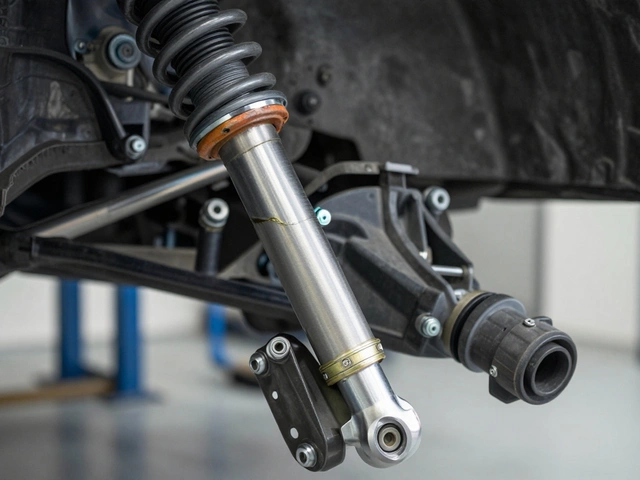
Your front suspension is not one part; it is a system of metal, rubber, and fluid working together. Each component has a different fatigue limit. Understanding this helps you budget for repairs before a breakdown leaves you stranded.
| Component | Typical Lifespan (Miles) | Typical Lifespan (Years) | Failure Mode |
|---|---|---|---|
| Shock Absorbers / Dampers | 60,000 - 80,000 | 5 - 7 years | Gradual loss of damping, oil leakage |
| Struts | 80,000 - 100,000+ | 7 - 10 years | Sudden collapse or severe leaking |
| Control Arm Bushings | 40,000 - 60,000 | 4 - 6 years | Rubber cracking, tearing, or disintegration |
| Tie Rod Ends | 50,000 - 70,000 | 5 - 7 years | Play in steering, joint separation |
| Ball Joints | 70,000 - 90,000 | 6 - 8 years | Clunking noises, wheel wobble |
Note that these figures assume normal driving conditions. If you frequently carry heavy loads, tow trailers, or drive on poorly maintained roads with many potholes, expect these numbers to drop by 30% or more. Conversely, gentle highway cruising can extend their life significantly.
Factors That Accelerate Suspension Wear
Why does one driver replace shocks at 40,000 miles while another gets 120,000? It usually comes down to three factors: environment, usage, and maintenance habits.
Road Conditions and Environment
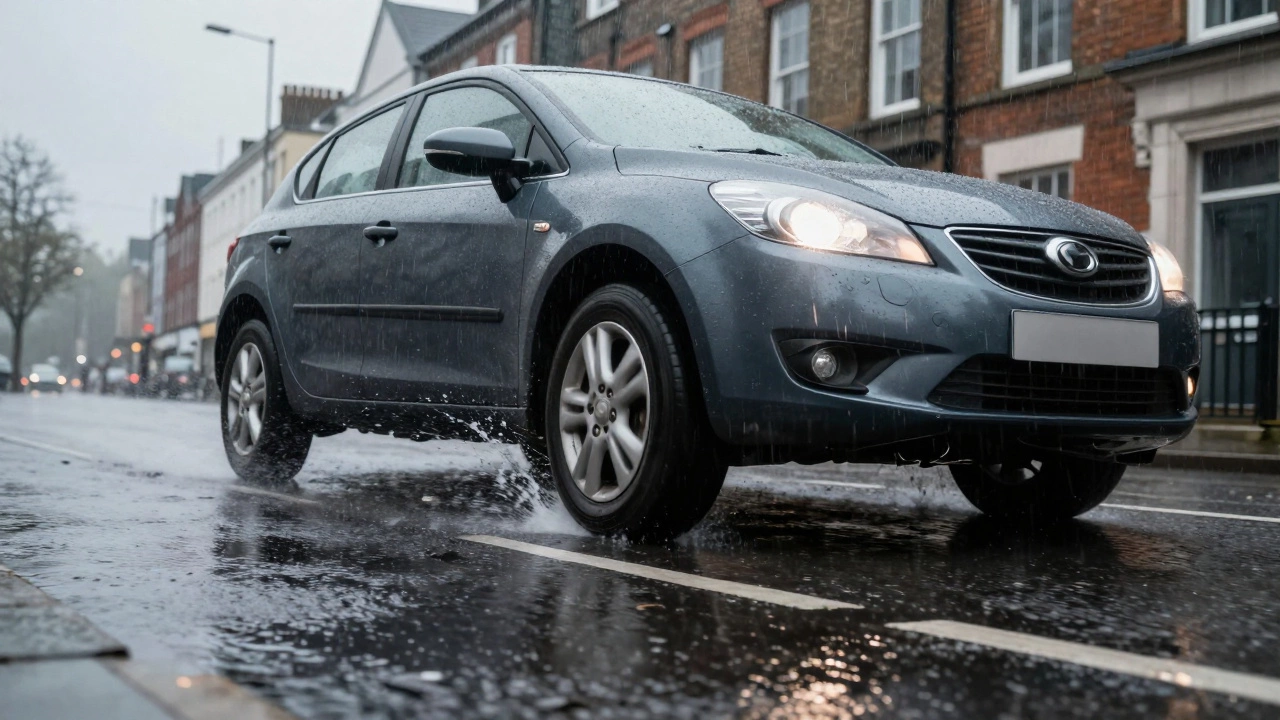
In the UK, our weather plays a huge role. While we don’t have the extreme freeze-thaw cycles of Canada, our frequent rain and occasional use of grit salts accelerate corrosion. Salt eats away at the protective coatings on shock absorber shafts. Once the chrome plating is pitted, moisture enters the seal, destroying the internal piston rings. This leads to premature leakage. Additionally, urban areas with constant pothole damage put immense stress on ball joints and tie rods, causing them to wear out faster due to impact loading rather than gradual friction.
Driving Style and Load
Aggressive cornering and hard braking generate lateral forces that suspension components must absorb. If you treat your daily commuter like a sports car, you are wearing out bushings and mounts twice as fast. Similarly, overloading your vehicle-whether it’s a family SUV packed for holiday travel or a van loaded with goods-compresses the springs beyond their design limits. This constant compression generates excess heat in the dampers, breaking down the hydraulic fluid inside.
Neglected Maintenance
Suspension parts do not operate in isolation. Worn tires, misaligned wheels, and failing brake calipers all transfer extra strain to the suspension. For example, if your wheels are out of alignment, the tie rods and ball joints fight against the direction of travel every mile you drive. This creates uneven wear patterns that can destroy a healthy suspension setup in months.
Early Warning Signs Your Suspension Is Failing
You don’t need to wait for a complete failure to know something is wrong. Modern cars are sensitive, and your senses are good enough to detect degradation long before it becomes dangerous. Look for these specific symptoms:
- Excessive Bouncing: After hitting a bump, does the car bounce up and down two or three times before settling? Healthy shocks should stop the motion almost immediately. Multiple bounces indicate the dampers have lost their ability to control spring energy.
- Nose Diving: When you brake firmly, does the front of the car dip sharply? This suggests the struts or shocks are too weak to manage the weight transfer during deceleration.
- Uneven Tire Wear: Check your tires regularly. Cupping (scalloped dips across the tread) or excessive wear on the inner or outer edges often points to worn shock absorbers or failed bushings allowing the wheel to move incorrectly.
- Steering Wander: If you find yourself constantly making small corrections to keep the car straight on a motorway, your tie rod ends or ball joints likely have too much play.
- Noises Over Bumps: A clunking or knocking sound from the front corners when going over speed bumps or potholes is a classic sign of worn bushings or loose mounting bolts. Squeaking may indicate dry rubber bushings needing lubrication or replacement.
Cost of Replacement: What to Expect in 2026
Pricing varies wildly depending on whether you choose OEM (Original Equipment Manufacturer) parts, aftermarket brands, or generic options. Labour costs also differ between independent garages and main dealerships.
For a typical mid-range family car (like a Ford Focus or VW Golf), here is a rough guide to current market prices in the UK:
- Pair of Shock Absorbers: £150 - £300 for parts + £100 - £200 labour.
- Complete Strut Assembly: £200 - £400 per side for parts + £150 - £250 labour per side.
- Control Arms with Bushings: £100 - £250 per arm + £80 - £150 labour.
- Wheel Alignment: Essential after any suspension work. Costs £30 - £60.
Always insist on a wheel alignment after replacing any front suspension component. Skipping this step will cause your new tires to wear out prematurely, costing you more in the long run. Independent specialists often offer better value than dealerships, especially if they use high-quality aftermarket brands like KYB, Monroe, or Lemförder, which match or exceed OEM performance.
When to Repair vs. Replace
Sometimes, only one part needs attention. Other times, replacing a single component is a false economy. Here is a simple decision framework:
If only one shock absorber is leaking, replace both front shocks. Mixing old and new dampers creates an imbalance in handling, making the car pull to one side under braking or cornering. Similarly, if a control arm bushing is torn, consider replacing the entire control arm assembly rather than pressing in a new bushing. Press-fit bushings require specialized tools and precise installation; if done incorrectly, they fail quickly. Pre-assembled arms are cheaper overall when you factor in labour time.
However, if your car is older than 10 years and has high mileage, assess the condition of all related parts. Replacing shocks on a car with severely corroded subframes or cracked mounts might be pointless. In such cases, consult a trusted mechanic about the structural integrity of the chassis before investing in new suspension parts.
Maintenance Tips to Extend Suspension Life
You cannot stop wear completely, but you can slow it down. Adopt these habits:
- Avoid Speed Bumps at Speed: Hitting a speed hump at 20 mph generates far more force than approaching it at 10 mph. Slow down to reduce impact shock on bushings and ball joints.
- Check Tire Pressure Monthly: Under-inflated tires act like additional springs, putting extra load on the suspension. Over-inflated tires transmit more road vibration directly into the chassis. Keep pressures at the manufacturer’s recommended levels.
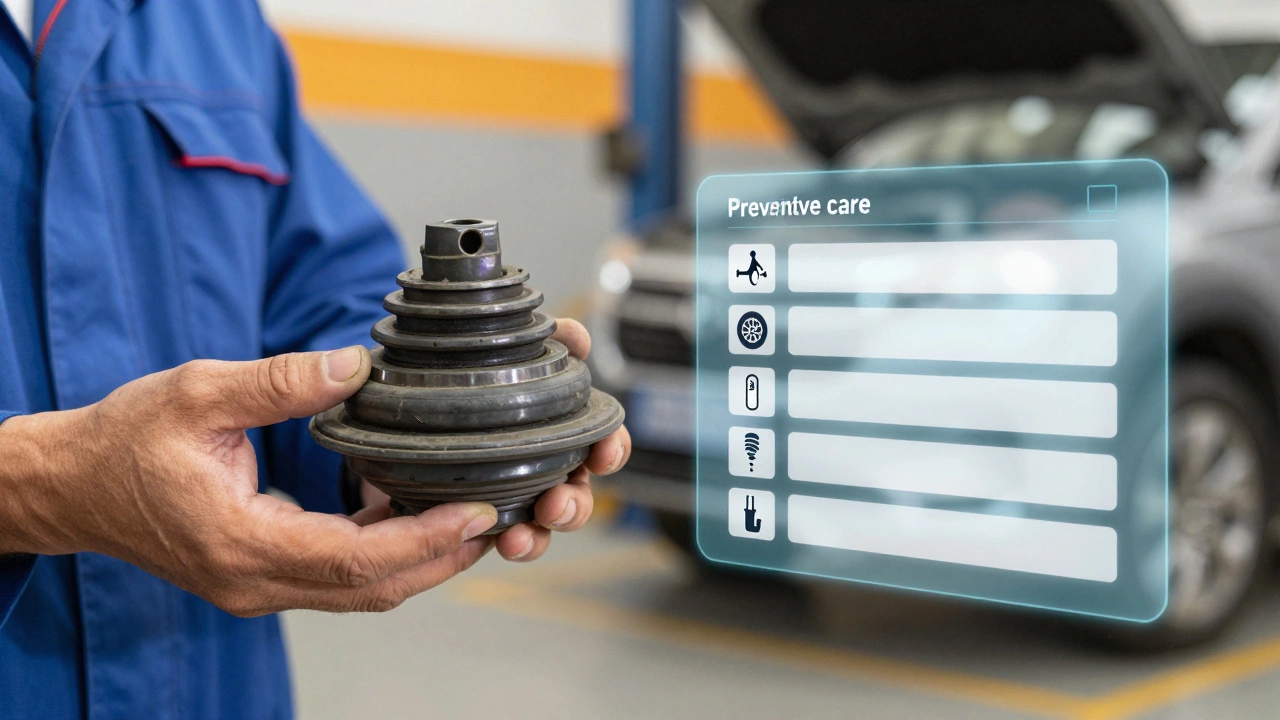
- Inspect Rubber Components Annually: During routine services, ask your mechanic to check for cracks or splits in bushings and boot covers. Early detection prevents costly secondary damage.
- Keep It Clean: Wash the underside of your car periodically, especially in winter, to remove salt and grime that accelerate corrosion on shock shafts and brackets.
Frequently Asked Questions
Can I drive with bad front suspension?
You physically can, but you shouldn’t. Worn suspension increases stopping distances, reduces tire grip, and makes steering unpredictable. In an emergency maneuver, your car may not respond correctly, increasing crash risk. If you hear loud clunking or see visible leaks, get it inspected immediately.
Do I need an alignment after replacing shock absorbers?
Yes, absolutely. Even though shocks themselves don’t change wheel angles, the process of removing and reinstalling suspension components can slightly shift geometry. An alignment ensures even tire wear and proper handling. Skipping it wastes money on new tires.
What is the difference between shocks and struts?
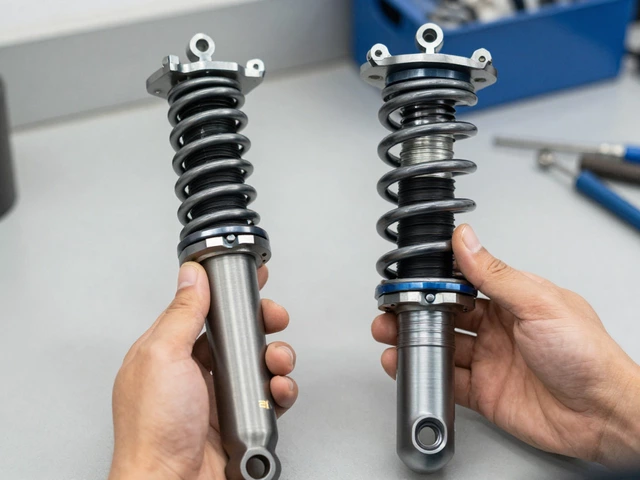
Shocks are standalone dampers that work alongside a separate coil spring. Struts are structural components that combine the damper, spring, and mount into one unit. Struts support the vehicle’s weight and affect wheel alignment, so replacing them is more complex and usually requires an alignment afterward.
How much does it cost to replace front suspension in the UK?
Costs vary by vehicle. For a common hatchback, expect £300-£600 for a pair of shocks plus labour. Complete strut replacements run £400-£800 per side. Always include £30-£60 for a wheel alignment. Luxury or 4x4 vehicles will cost significantly more due to part complexity and higher labour rates.
Can worn suspension damage other parts?
Yes. Bad suspension causes uneven tire wear, stressing wheel bearings and CV joints. It can also lead to misalignment, which strains steering racks and tie rods. Ignoring minor suspension issues often leads to cascading failures that cost hundreds more to fix later.