MERV Filter Compatibility Checker
Using a restrictive filter like MERV 11 in an incompatible system can cause frozen coils, overheating heat exchangers, and higher energy bills due to restricted airflow.
Picture this: you just installed a brand-new MERV 11 air filter, proud of the cleaner air it promises. Two weeks later, your heating bill spikes, your vents feel weak, and your furnace kicks on every five minutes like a jittery heartbeat. You start wondering if you made a mistake. Is that high-efficiency filter actually choking your system?
This is the central tension for homeowners trying to balance indoor air quality with mechanical health. The short answer is no, MERV 11 filters are generally not too restrictive for modern residential systems. However, they can become problematic if your equipment is old, undersized, or poorly maintained. Understanding where the line sits between "cleaner air" and "restricted airflow" requires looking at how these filters work, what your specific HVAC setup can handle, and how to spot trouble before it costs you money.
What Exactly Does MERV 11 Mean?
To understand restriction, we first need to decode the label. MERV stands for Minimum Efficiency Reporting Value. It is a standard created by ASHRAE (American Society of Heating, Refrigerating and Air-Conditioning Engineers) to rate how well an air filter captures particles of different sizes. The scale runs from 1 to 20. A MERV 1 filter lets almost everything through; a MERV 20 filter stops nearly everything, including microscopic bacteria.
A MERV 11 filter sits in the middle-upper range. It is designed to capture particles between 1 and 3 microns. This includes things like mold spores, dust mite debris, lead dust, and some smoke particles. It does not catch viruses or ultrafine combustion particles, which require MERV 13 or higher. For most homes, MERV 11 is the sweet spot. It removes the allergens that make people sneeze without creating the dense wall of material found in hospital-grade filters.
The key attribute here is density. Higher MERV ratings mean more media surface area packed into the same frame size. More media means better filtration but also more resistance to air movement. Think of it like a sieve. A coarse mesh lets sand flow freely but misses small pebbles. A fine mesh catches the pebbles but slows down the sand. MERV 11 uses a finer mesh than the cheap white fiberglass filters you buy at big-box stores, but it is still open enough for standard blowers to push air through.
The Physics of Airflow and Static Pressure
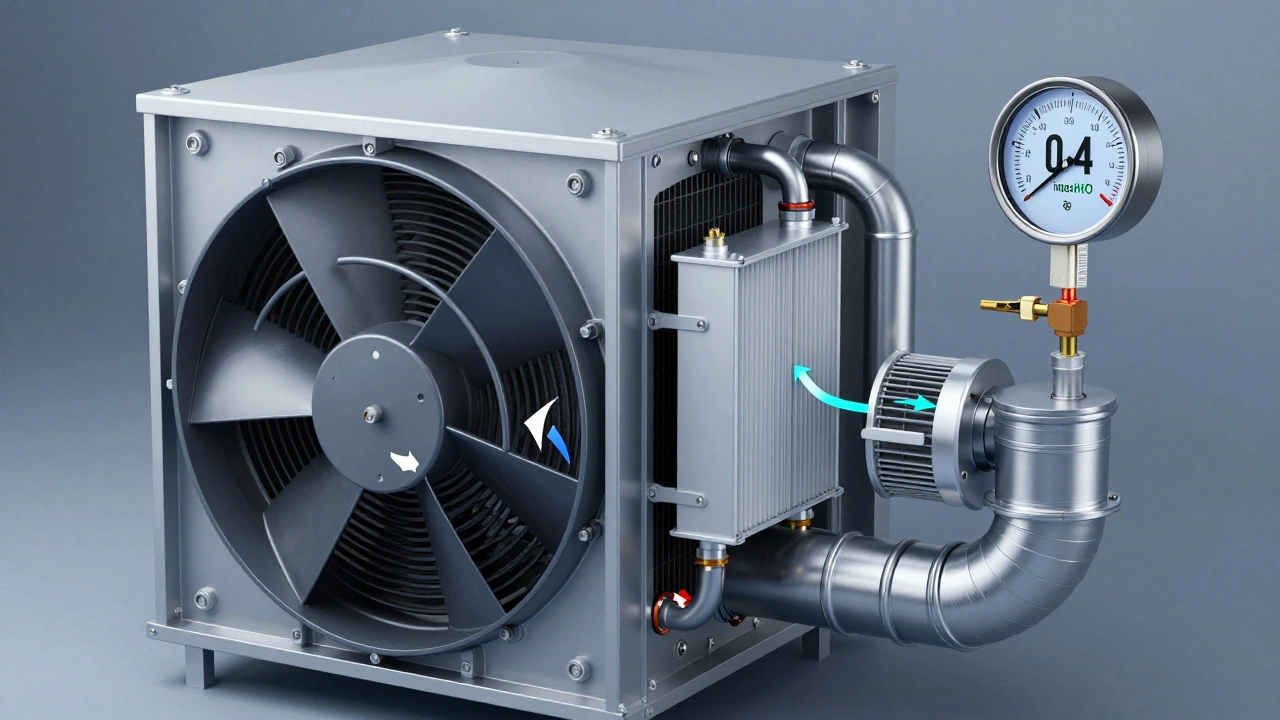
Your HVAC system is a closed loop. The blower fan pulls air from your rooms, pushes it through the filter, sends it over the cold evaporator coil or hot heat exchanger, and blows it back out through the ducts. Every component in this path creates resistance, known as static pressure. The filter is one of those components.
If the filter becomes too restrictive, the total static pressure in the system rises. When this happens, the blower motor has to work harder to move the same amount of air. In older systems with single-speed motors, this often results in reduced airflow. You notice this as weaker drafts from your vents. In modern systems with variable-speed ECM motors, the sensor detects the increased pressure and ramps up the fan speed to compensate. This uses more electricity, which explains the higher bills.
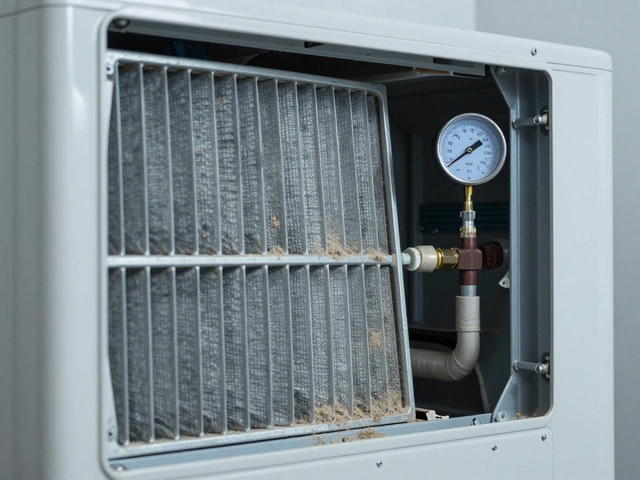
Here is the critical threshold: most residential HVAC systems are designed to handle a static pressure drop of about 0.3 to 0.5 inches of water column across a clean filter. A new MERV 11 filter typically adds about 0.1 to 0.2 inches of pressure drop. As it loads up with dust, that number climbs. If it exceeds 0.5 inches, you enter the danger zone. The system struggles. Ice forms on cooling coils because warm air isn't passing over them fast enough. Heat exchangers overheat because hot air isn't being swept away. Both scenarios lead to premature failure.
When MERV 11 Becomes a Problem
So why do some people report issues with MERV 11 filters? It usually comes down to three factors: age of the equipment, physical fit, and maintenance habits.
Older HVAC Systems: If your furnace or air handler was installed before 2000, it likely has a single-speed blower motor and smaller ductwork. These systems were engineered for low-resistance MERV 4 to 8 filters. Pushing a MERV 11 into a 30-year-old system can indeed be too restrictive. The motor simply lacks the torque to overcome the added drag. If you have an older unit, stick to MERV 8 unless you upgrade the blower.
Improper Fit: Have you ever bought a filter that looked right but left gaps on the sides? That is a bypass issue. But the opposite is worse: forcing a thicker filter into a shallow slot. Many MERV 11 filters are pleated and thicker (2 to 4 inches) than basic 1-inch fiberglass ones. If your return air grille only holds a 1-inch filter, jamming a 2-inch MERV 11 inside will physically block airflow. Always check the depth rating of your housing.
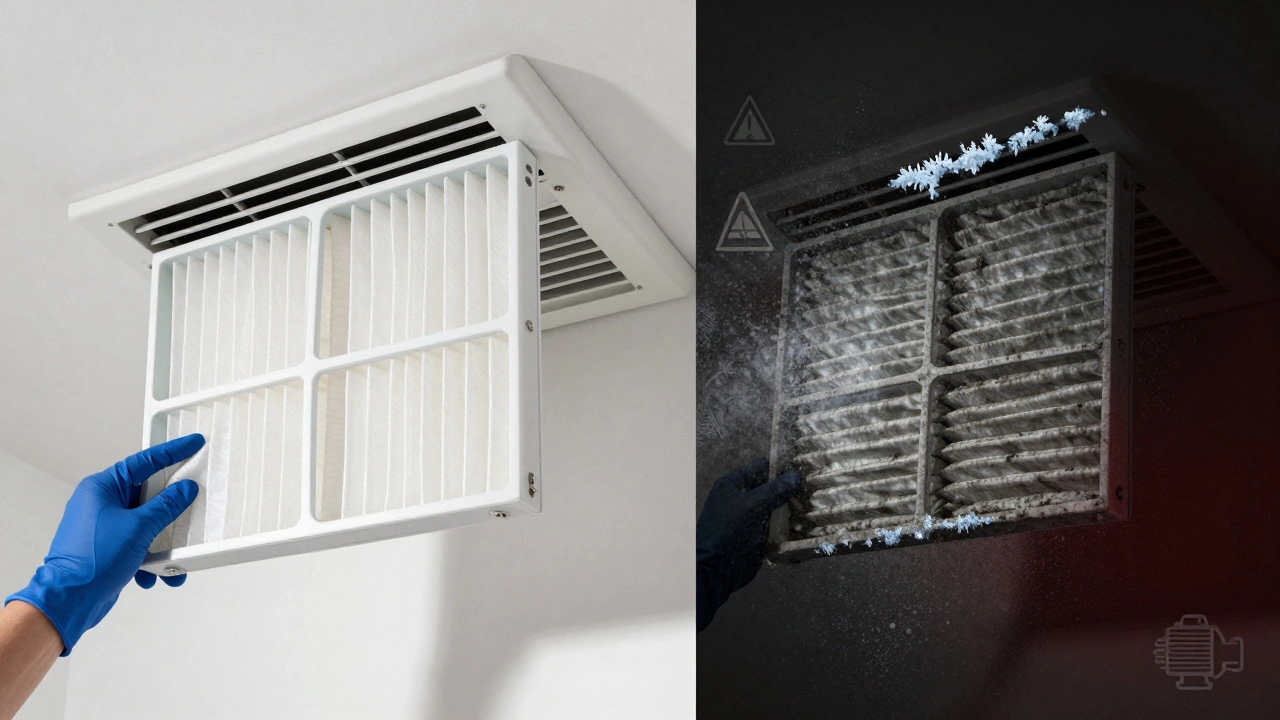
Neglected Maintenance: This is the biggest culprit. A clean MERV 11 flows fine. A dirty MERV 11 is a brick wall. Because MERV 11 filters trap more dust, they fill up faster than cheaper filters. If you used to change your filter every six months with a MERV 6, you cannot do that with a MERV 11. You must switch to a monthly or bi-monthly schedule. Letting a MERV 11 sit for four months turns it into a solid plug of particulate matter, guaranteeing airflow restriction regardless of its initial rating.
Comparing Filter Ratings: What Fits Your Home?
Choosing the right filter involves trade-offs. Below is a comparison of common residential ratings to help you decide if MERV 11 is the right step up or if you should look elsewhere.
| MERV Rating | Particle Size Captured | Airflow Resistance | Best Use Case |
|---|---|---|---|
| MERV 4-6 | Dust, lint, pollen (>10 microns) | Very Low | Older HVAC systems, minimal allergy concerns |
| MERV 7-9 | Mold spores, hair fibers, dust mites (3-10 microns) | Low | Standard homes, general protection |
| MERV 10-11 | Lead dust, smoke, auto emissions (1-3 microns) | Medium | Allergy sufferers, modern HVAC systems |
| MERV 12-13 | Bacteria, tobacco smoke (<1 micron) | High | Asthma patients, high-efficiency systems |
| MERV 14-16 | Viruses, gunpowder, cooking oil vapor | Very High | Hospitals, labs, specialized medical needs |
Notice the jump in resistance between MERV 11 and MERV 13. That is where many homeowners cross the line. MERV 13 filters are excellent for air quality but often require dedicated media cabinets or upgraded blowers. MERV 11 remains the safest upgrade for the average house built after 1990.
How to Test If Your System Can Handle MERV 11
You don't need to guess. There are practical ways to verify compatibility before committing to a year's supply of expensive filters.
Check the Nameplate: Look at the data plate on your furnace or air handler. It lists the external static pressure rating. If it says something like "Max ESP 0.50," you have room for a MERV 11. If it is lower, proceed with caution.
The Manometer Test: If you have access to a digital manometer (or can borrow one from a local HVAC tech), measure the pressure drop across the filter when it is new. Then measure it again after two weeks of use. If the drop increases by more than 0.1 inches per week, your system is struggling. Replace it sooner or downgrade the rating.
Observe the Vents: Run your AC or heat for 15 minutes. Place your hand near a supply vent. The air should feel steady and cool (or warm). If it feels lukewarm or weak, check the filter. If it is clean but airflow is still poor, the filter rating might be too high for your blower.
Listen to the Motor: A healthy blower hums smoothly. A strained motor whines or vibrates. If installing a MERV 11 causes new noises, remove it immediately. You are risking motor burnout.
Pro Tips for Using MERV 11 Filters Safely
If you decide to go with MERV 11, follow these rules to protect your investment and your lungs.
- Upgrade to Thicker Filters: If possible, modify your return grilles to accept 4-inch or 5-inch pleated filters. These have much more surface area than 1-inch filters. They capture the same amount of dust but spread it out over a larger volume, keeping airflow resistance low for longer periods.
- Set Calendar Reminders: Change MERV 11 filters every 90 days. During peak seasons (summer cooling or winter heating), check them monthly. Never let them go beyond six months.
- Seal the Edges: Ensure the filter fits snugly. Tape any gaps around the frame with HVAC-rated tape. Unfiltered air bypassing the filter defeats the purpose and can carry moisture into the ductwork, leading to mold growth.
- Combine with Duct Cleaning: If you have never had your ducts cleaned, switching to a high-efficiency filter might reveal existing debris problems. Clean ducts ensure that the air moving through your new filter is already relatively free of large chunks of dirt.
- Consider Whole-House Solutions: If you need MERV 13+ filtration but have an older system, consider adding a standalone HEPA air purifier in the main living areas instead of forcing the HVAC system to do heavy lifting.
Common Myths About Filter Restrictions
There is a lot of misinformation online about air filters. Let's clear up two major myths.
Myth: "Higher MERV always means less airflow." While true in theory, modern pleated media technology has improved dramatically. A high-quality MERV 11 filter with deep pleats can actually allow more airflow than a cheap, flat MERV 8 filter because of its greater surface area. Brand matters. Look for reputable manufacturers that publish independent test data for pressure drop.
Myth: "If I can breathe through it, my HVAC can." This is dangerous logic. Humans are sensitive to airflow changes, but HVAC motors are sensitive to electrical load. You might not notice a slight reduction in draft until the motor overheats. Trust the numbers and the manufacturer guidelines, not just your nose.
Conclusion: Finding Your Balance
Are MERV 11 filters too restrictive? For most modern homes, absolutely not. They offer a significant leap in air cleanliness without punishing your energy bill or stressing your equipment. The risk lies in neglect. A clogged MERV 11 is worse than a missing filter because it actively blocks air rather than letting dust coat your coils.
Before making the switch, assess your system's age and condition. If you have a newer, well-maintained HVAC unit, MERV 11 is a smart choice for allergy relief and general health. Just remember to treat it like a consumable part, not a set-and-forget accessory. Change it regularly, seal it properly, and monitor your system's performance. Your lungs-and your wallet-will thank you.
Can I use a MERV 11 filter in my car?
No. Automotive cabin air filters use different standards and physical dimensions. Most cars use basic panel filters or activated carbon filters rated for pollen and odors. MERV ratings apply strictly to building HVAC systems. Using a household MERV 11 filter in a car would block airflow completely and damage the blower motor.
How long does a MERV 11 filter last?
Typically 90 days under normal conditions. However, if you have pets, live in a dusty area, or run your HVAC constantly during extreme weather, you may need to replace it every 60 days. Always inspect it visually; if it looks gray and packed with dust, change it immediately regardless of the calendar.
Is MERV 11 better than MERV 8 for allergies?
Yes. MERV 8 filters capture larger particles like pollen and pet dander but miss smaller allergens like mold spores and dust mite debris. MERV 11 captures particles down to 1 micron, providing significantly better protection for allergy and asthma sufferers.
Will a MERV 11 filter reduce my energy bills?
Not directly. In fact, a clean MERV 11 filter may slightly increase electricity usage compared to a MERV 4 due to higher resistance. However, by preventing dust buildup on your evaporator coils and heat exchangers, it helps maintain your system's overall efficiency, potentially saving money on repairs and extending equipment life.
Can I wash and reuse a MERV 11 filter?
Generally, no. Most MERV 11 filters are made of pleated paper or synthetic media that disintegrates or loses its electrostatic charge when wet. Washing them destroys their filtration ability. Only specifically labeled "washable" or permanent filters can be cleaned. Check the manufacturer's instructions carefully.
What is the difference between MERV 11 and HEPA?
HEPA (High-Efficiency Particulate Air) filters capture 99.97% of particles at 0.3 microns. MERV 11 captures about 80% of particles at 1 micron. HEPA filters create very high static pressure and are rarely used in central HVAC systems due to airflow restrictions. MERV 11 is a practical compromise for whole-house filtration.