Brake Pad Safety & Cost Estimator
Estimate the condition of your brake pads by entering the approximate thickness of the friction material. This tool helps you decide if you need immediate action or can plan for a future replacement.
Awaiting Input
Enter your brake pad thickness above to see the safety assessment and estimated costs.
You’re cruising down the M60, and suddenly that familiar screech hits your ears. It’s not just annoying; it’s a warning light flashing in real life. The question on everyone’s mind is simple: should I drive if I need new brake pads? The short answer is no, but the reality is messy. Sometimes you can limp home. Other times, you’ll destroy your rotors or lose stopping power entirely. Let’s break down exactly when you can push your luck and when you absolutely shouldn’t.
The Real Risk of Ignoring the Squeal
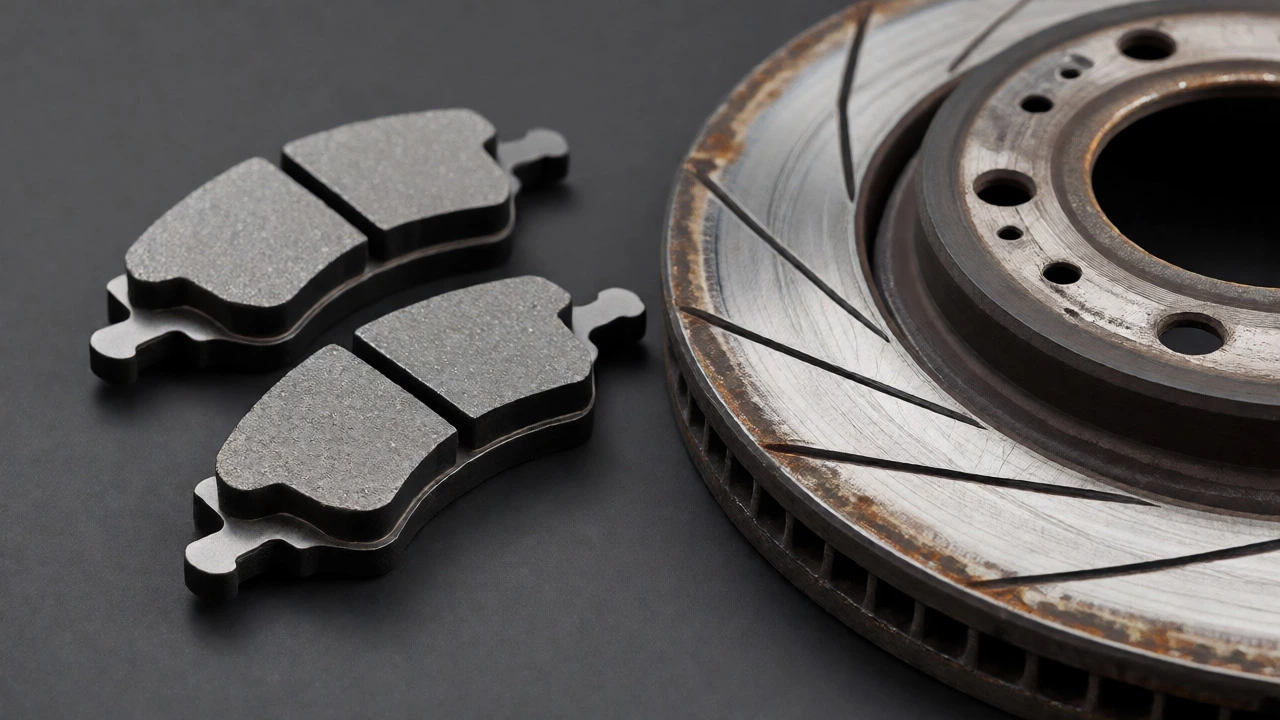
Most drivers think brake pads are just rubber blocks that stop the wheel. They aren’t. They’re friction materials bonded to a metal backing plate. When the pad wears down, that metal plate eventually touches the brake rotor (the shiny disc). This is called "metal-on-metal" contact. It’s not just noisy; it’s destructive. Driving past this point doesn’t just cost you £50 for pads anymore. It costs you £150-£300 per axle for new rotors too. In the UK, worn brakes are a common reason for failing an MOT test. If your pads are below 3mm, you’re already in the danger zone. Below 1.5mm? You’re gambling with your safety.
How to Check Your Brake Pads Without Getting Dirty
You don’t need to jack up your car to get a rough idea. Most modern alloy wheels have gaps wide enough to see through. Look at the inner face of the wheel where the caliper clamps onto the rotor. You’re looking for the thickness of the friction material-the part touching the rotor. A brand-new pad is about 10-12mm thick. If you can barely see any material left, or if it looks thinner than a coin, you need replacements immediately. Some cars have wear sensors that trigger a dashboard warning light. Don’t ignore it. That sensor is there because the mechanical margin is gone.
| Pad Thickness (approx.) | Status | Action |
|---|---|---|
| 10-12 mm | New/Healthy | No action needed. |
| 4-6 mm | Wear Zone | Plan replacement within next few months. |
| 3 mm | MOT Fail Threshold | Replace immediately. Do not delay. |
| < 1.5 mm | Critical Danger | Tow vehicle. Rotors likely damaged. |
When Is It Safe to Drive a Few More Miles?
If you’re hearing a high-pitched squeal but the pedal feels normal and the car stops straight, you might be okay for a short trip to the garage. This noise often comes from a small metal tab designed to vibrate against the rotor when pads are low. It’s a built-in alarm system. However, limit your speed. Keep it under 40 mph if possible. Avoid heavy traffic where sudden braking is required. Heat builds up faster in thin pads, which can lead to brake fade-where the brakes just stop working temporarily. If you live in Manchester, remember our wet winters. Wet roads demand more from your brakes. Thin pads struggle here, increasing stopping distances significantly.

Signs You Should Not Drive At All
Some symptoms mean "pull over now." If you feel grinding-a deep, harsh vibration through the steering wheel or pedal-the metal backing plate is already chewing up the rotor. Continuing to drive will warp the rotor, making the steering shake even more. Another red flag is pulling to one side when braking. This suggests uneven wear or a stuck caliper piston. If your brake pedal sinks to the floor, you might have a fluid leak, not just worn pads. That’s an emergency. Never drive a car with a spongy or sinking pedal. You could lose all braking ability on the next hill.
The Hidden Costs of Waiting Too Long
Let’s talk money. Replacing brake pads alone might cost £80-£120 per axle at an independent garage. Add labor, and maybe £150 total. But if you wait until the metal backing plate scores the rotor, you now need new rotors. Those cost £40-£80 each, plus machining or replacement labor. Suddenly, a £150 job becomes a £300+ job. Worse, if the caliper overheats due to constant friction, it can seize. A seized caliper needs replacing too. That adds another £100-£200 per corner. Delaying maintenance isn’t saving money; it’s borrowing it at high interest.
DIY vs. Professional Replacement
Can you change them yourself? Yes, if you have basic tools like a jack, stands, and a caliper wind-back tool. Many forums show DIY guides for popular models like the Ford Focus or VW Golf. But if you’re unsure, pay the pro. Mistakes in brake systems are fatal. If you install pads backwards or forget to bleed the brakes properly, you won’t know until you try to stop at a roundabout. For most people, especially those without a garage space, professional fitting is safer and often cheaper than fixing a botched DIY job.
UK-Specific Considerations
In the UK, MOT testers check brake pad thickness visually. If they can see less than 1.5mm of friction material, it’s a fail. Also, consider your driving style. City driving in London or Manchester involves constant stop-start traffic, wearing pads faster than motorway cruising. If you tow a caravan or haul heavy loads, your pads wear twice as fast. Adjust your inspection schedule accordingly. Don’t wait for the MOT reminder. Check your pads every 10,000 miles or during tire rotations.
Frequently Asked Questions
How long can I drive with squeaky brakes?
If it’s just a squeal and the pedal feels firm, you can likely drive 50-100 miles carefully. Get them replaced ASAP. If it’s grinding, do not drive more than a mile or two, as you risk damaging the rotors.
Will worn brake pads fail my MOT?
Yes, if the friction material is below 1.5mm, it’s a dangerous defect and an automatic MOT fail. Even above that, if the tester sees excessive wear or hears grinding, they may mark it as advisory or fail depending on severity.
Do brake pads make noise before they wear out completely?
Yes, most pads have a wear indicator tab that squeals when the pad is low. However, some premium ceramic pads are quieter and may not squeal until very late stages, so visual checks are still important.
Can I replace just one brake pad?
No, always replace pads in pairs (both front or both rear). Replacing only one causes uneven braking force, leading to poor handling and premature wear on the other components.
What happens if I drive with zero brake pads?
You’ll hear loud grinding, feel severe vibration, and experience reduced stopping power. Eventually, the caliper piston can pop out or the rotor can crack, causing complete brake failure on that wheel.