Strut Problems: Signs, Causes, and What to Do Next
When your car feels bouncy, noisy, or pulls to one side, strut problems, a failure in the shock-absorbing component that supports your car’s weight and controls wheel movement. Also known as suspension struts, they’re not just there to make the ride smoother—they keep your tires on the road during turns, braking, and bumps. Ignore them, and you’re not just dealing with an uncomfortable drive—you’re risking uneven tire wear, poor braking, and even loss of control in emergencies.
Struts work with your suspension problems, the broader system that connects your wheels to the chassis and absorbs road shocks. If your struts are worn, your shock absorbers, the internal part that dampens spring movement to prevent bouncing lose their grip on the road. You’ll notice it first in the way your car reacts: after hitting a bump, it bounces twice instead of settling right away. Or your steering feels loose, or your tires show cupping—patchy wear spots caused by the wheel bouncing up and down too much.
Strut problems don’t always scream for attention. Sometimes they whisper. A clunking sound when you go over speed bumps? That’s the strut mount or bearing failing. Your car leaning hard in corners? That’s the strut losing its ability to hold the body steady. And if your brakes feel spongy or your stopping distance increases, worn struts are likely to blame—they can’t keep the tires planted during hard stops. In the UK, where roads range from smooth motorways to pothole-filled side streets, this isn’t just about comfort—it’s about safety and legal compliance.
You don’t need a garage to spot early signs. Try the bounce test: push down hard on each corner of your car. If it bounces more than once or twice, your struts are worn. Look for oil leaks around the strut body—any dampness means the seal is gone. And check your tires. Uneven wear, especially on the inside or outside edges, often points to misalignment caused by failing struts. Many people replace struts too late, thinking they can wait until the noise gets unbearable. But by then, your tires, brake components, and even your steering system are taking extra damage.
Strut problems rarely fix themselves. And replacing them isn’t just about swapping parts—it’s about restoring balance to your whole vehicle. A worn strut puts stress on other suspension parts, like control arms and ball joints. It can throw off your wheel alignment, the adjustment of your tires’ angles to ensure even wear and straight driving, which leads to faster tire wear and pulling. That’s why it’s smart to get a full suspension check when you suspect strut trouble.
The posts below give you the real-world details: how to test your suspension, what happens when struts fail, how they connect to brake performance, and why ignoring them costs more in the long run. You’ll find step-by-step checks, common mistakes drivers make, and what to look for when shopping for replacements. No fluff. Just what works on UK roads, based on what mechanics see every day.
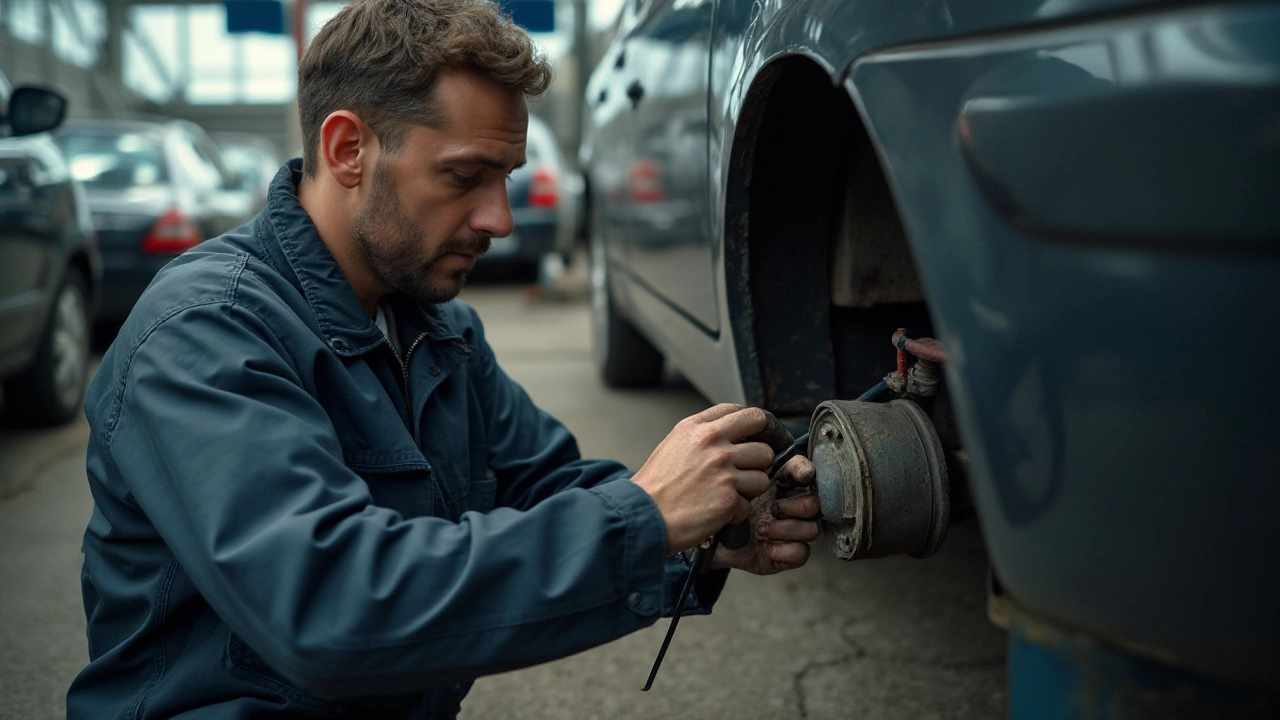
Identifying Sounds from a Loose Strut: A Comprehensive Guide
Discover the signs and sounds associated with a loose strut in your vehicle's suspension system. Learn what to listen for, how to differentiate these noises from other potential issues, and practical tips for diagnosing and addressing the problem. Whether you're a car enthusiast or a concerned driver, this guide offers valuable insights into maintaining smooth and safe rides.
January 3 2025