Radiator Failure Signs: How to Spot Overheating Before It Costs You
When your radiator, the main component that cools your engine by circulating coolant. Also known as car cooling system core, it keeps your engine from turning into a melted mess. starts to fail, it doesn’t scream—it whispers. By the time your dashboard light flashes or steam rolls out from under the hood, it’s already too late. Most people wait until their car won’t start or the engine seizes, but the signs of radiator failure show up long before that. You just have to know what to look for.
One of the clearest signals is a coolant leak, a visible puddle of green, orange, or pink fluid under your parked car. It’s not just oil or water—it’s antifreeze, and if it’s on your driveway, your radiator or one of its hoses is cracking. Another sign? Your engine runs hotter than normal. If your temperature gauge climbs past the halfway mark, especially in traffic or on a cool day, your radiator isn’t doing its job. You might also notice a sweet, syrupy smell inside the cabin—that’s coolant seeping into the heater core. And don’t ignore white, sweet-smelling smoke from the exhaust. That’s coolant burning in the combustion chamber, which usually means a cracked head gasket or a warped cylinder head, both often linked to radiator failure.
Then there’s the sludge. Over time, old coolant turns into gunk that clogs the radiator’s tiny tubes. This stops proper flow, so even if you’ve got plenty of fluid, the heat can’t escape. You’ll see rust or brown particles when you check the coolant reservoir. And if your heater blows cold air while the engine is hot, that’s another red flag—the radiator isn’t moving heat to the cabin like it should.
It’s not just about the radiator itself. The thermostat, the valve that controls coolant flow. can stick closed and cause the same symptoms. A broken water pump, the engine-driven pump that pushes coolant through the system. can also leave you stranded. That’s why checking the whole cooling system matters—not just swapping out the radiator when things go wrong.
Most radiators last between 8 and 12 years, but harsh climates, poor maintenance, or using the wrong coolant can cut that in half. Regular flushes every 30,000 to 50,000 miles keep the system clean and flowing. Skip it, and you’re gambling with your engine. And if you’ve had a radiator replaced before and it failed again? You probably didn’t fix the root cause—maybe a faulty cap, a clogged hose, or even a leaking head gasket.
Below, you’ll find real-world guides that show you exactly how to spot these problems early. From checking for leaks to testing your radiator under pressure, these posts give you the steps to avoid a tow truck bill and a new engine. No guesswork. No jargon. Just what actually works.

How Many Years Do Car Radiators Last? Real-World Lifespan and Signs of Failure
Most car radiators last 8 to 12 years, but neglect can cut that in half. Learn the real signs of failure, how often to flush coolant, and how to avoid expensive engine damage.
November 27 2025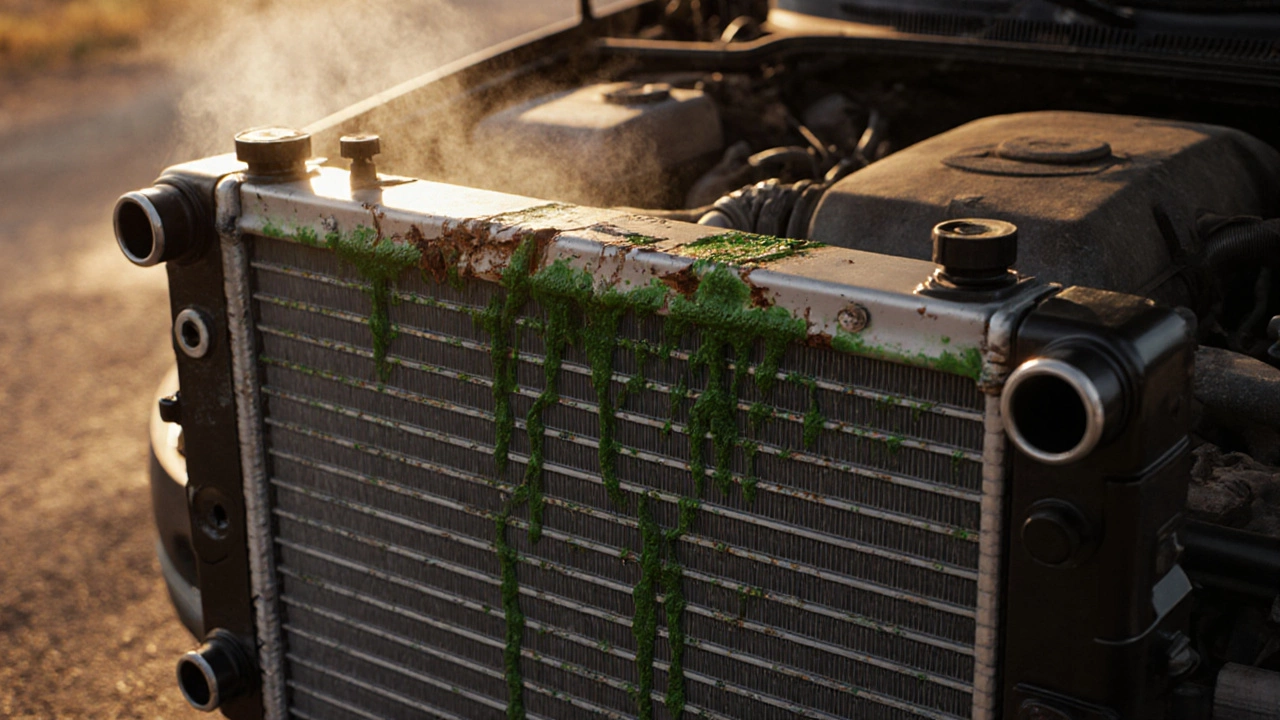
What Is the Life Expectancy of a Car Radiator?
Most car radiators last 8-12 years, but neglect can cut that in half. Learn the signs of failure, how to extend radiator life, and when to replace it before engine damage happens.
November 18 2025