Prevent Clutch Wear: How to Make Your Clutch Last Longer
When you think about clutch wear, the gradual degradation of the clutch disc and pressure plate due to friction and misuse. Also known as clutch degradation, it's one of the most preventable car problems—if you know what to avoid. Most clutches in the UK last between 60,000 and 100,000 miles, but many drivers see theirs fail before 40,000 because of habits they didn’t even realize were harmful.
Clutch wear isn’t just about age. It’s about how you drive. Resting your foot on the clutch pedal while waiting at traffic lights? That’s called clutch riding, the act of partially engaging the clutch to hold the car still, which creates constant friction and overheats the disc. It’s the #1 reason clutches die early. Same goes for power-shifting, revving too high in low gears, or using the clutch to hold your car on hills instead of the brake. These habits don’t just wear the friction material—they stress the flywheel, the heavy metal disc connected to the engine that the clutch presses against. A warped or overheated flywheel can ruin a brand-new clutch in weeks.
And it’s not just your foot. The release bearing, the part that disengages the clutch when you press the pedal. If it’s noisy or stiff, it’s not just a minor issue—it’s a sign the clutch system is under strain. Ignoring it means more parts fail faster. You don’t need to be a mechanic to spot these signs: grinding when shifting, a clutch pedal that feels spongy or too high, or the car slipping when accelerating uphill. These aren’t "maybe it’s time" moments—they’re "do something now" signals.
Replacing a clutch isn’t cheap, and it’s not a quick job. But you can avoid it. Drive with purpose. Don’t ride the pedal. Don’t rush gear changes. Use your brake on hills. Keep the engine in the right rev range. These aren’t tips from a manual—they’re what mechanics see every day in cars that still have their original clutch at 120,000 miles.
Below, you’ll find real-world guides on clutch life, what parts to replace when you do change it, and how other systems—like your engine oil, brakes, and suspension—can affect how long your clutch lasts. No fluff. Just what actually works.
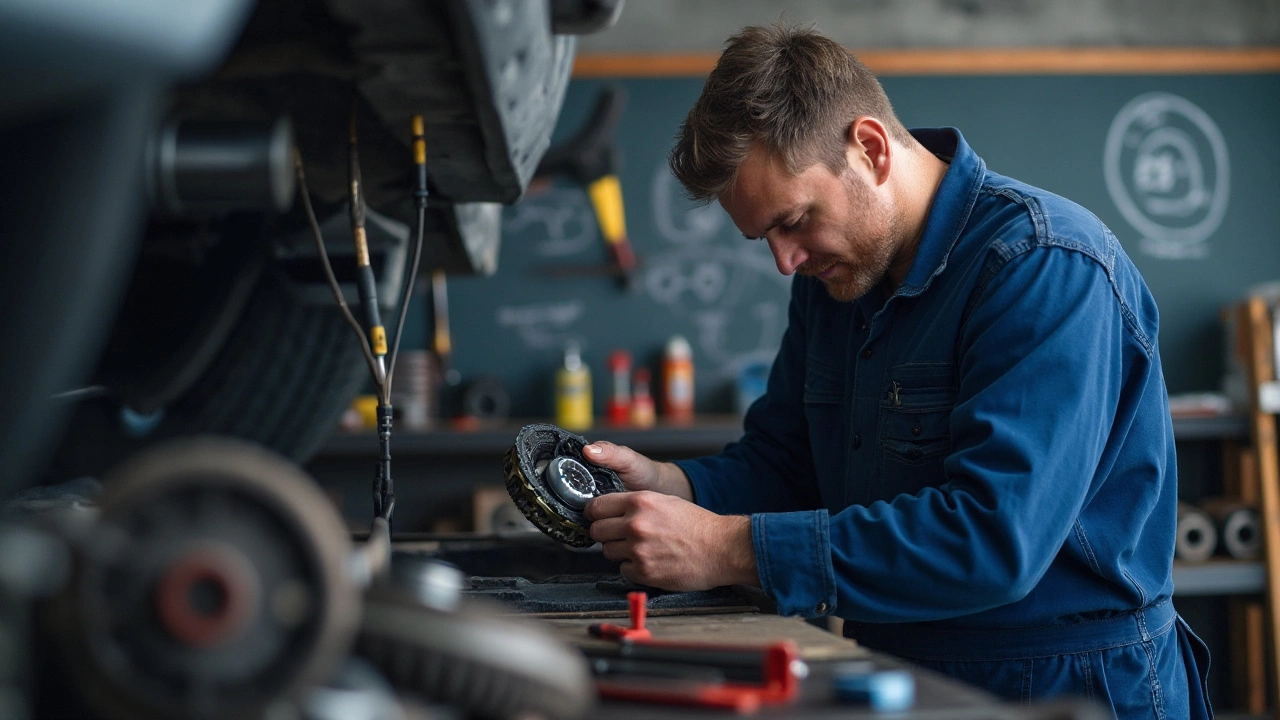
Essential Reasons for Clutch Kit Damage and Prevention Tips
A clutch kit is a vital component in manual transmission vehicles, and its proper functioning is crucial for smooth driving. This article explores the common causes of clutch kit damage, including driving habits and maintenance issues. We'll provide practical advice on early detection of clutch problems and tips to prevent premature wear and damage. Readers will gain essential knowledge to extend the lifespan of their vehicle's clutch kit and maintain efficient performance.
January 23 2025