Oil Change Myths: Stop Being Misled About Your Car's Engine Health
When it comes to oil change myths, false beliefs about engine oil that lead to wasted money and potential engine damage. Also known as motor oil misconceptions, these ideas spread fast because they sound reasonable—but they’re often dead wrong. You’ve probably heard that you need an oil change every 3,000 miles, or that synthetic oil is too expensive to justify, or that dark oil means it’s done. None of those are universally true. And sticking to them could be costing you time, cash, and even your engine.
Let’s clear up what really matters. engine oil, a lubricant that reduces friction, cools parts, and cleans sludge from your engine. Also known as motor oil, it’s not a one-size-fits-all fluid. Modern engines use different oil types—conventional, synthetic blend, full synthetic—each with different performance traits. Your owner’s manual isn’t a suggestion; it’s the rulebook. If it says 7,500 miles or 12 months, that’s your baseline. Many cars today can go 10,000 miles or more between changes, especially with synthetic oil. But here’s the catch: oil doesn’t wear out because it gets dirty. It breaks down chemically from heat and pressure. That’s why checking the oil’s condition matters more than the odometer.
synthetic oil, a high-performance lubricant engineered for better flow, heat resistance, and longevity than conventional oil. Also known as full synthetic motor oil, it’s not just for sports cars. If your car recommends it, use it. If it doesn’t, switching won’t hurt—but it won’t magically fix a worn engine either. And no, synthetic oil doesn’t make your engine last forever. It just helps it run cleaner and cooler for longer. But here’s where people get tricked: some shops push synthetic oil upgrades because they make more money, not because you need it. Same goes for oil additives. Most factory oils already have the right mix of detergents and anti-wear agents. Adding more? Usually pointless.
Then there’s the oil change interval, the recommended time or distance between oil changes based on driving conditions and oil type. It’s not a magic number. If you drive short trips in freezing weather, your oil picks up moisture and contaminates faster. If you haul heavy loads or drive on dusty roads, you’re harder on the engine. But if you drive mostly highway miles in mild weather? You can safely stretch it. Modern oil life monitors aren’t guesses—they’re sensors tracking engine temperature, RPM, and driving patterns. Trust them over arbitrary mileage rules.
And what about that black oil? Dark oil doesn’t mean it’s spent. Oil collects dirt, metal particles, and combustion byproducts as it works. That’s its job. If your oil looks like tar and smells burnt, sure—change it. But if it’s just dark, and you’re within your interval? You’re fine. The real signs of bad oil are sludge buildup, low oil pressure warnings, or engine noise from lack of lubrication—not color.
oil degradation, the chemical breakdown of oil molecules due to heat, oxygen, and contamination. That’s the real enemy. It’s why you shouldn’t let oil sit for years in a parked car. Even unused oil loses its additives over time. If your car sits for six months or more, check the oil before starting it. Don’t assume it’s still good just because you haven’t driven it.
Here’s the bottom line: stop listening to garage myths and start listening to your car’s manual and real-world conditions. You don’t need to change oil every 3,000 miles. You don’t need to use synthetic oil if your car doesn’t require it. And you don’t need to panic when your oil turns black. What you do need is accurate info—and that’s exactly what you’ll find in the posts below. Real stories, real tests, and real advice from people who’ve been there. No sales pitches. Just what works.
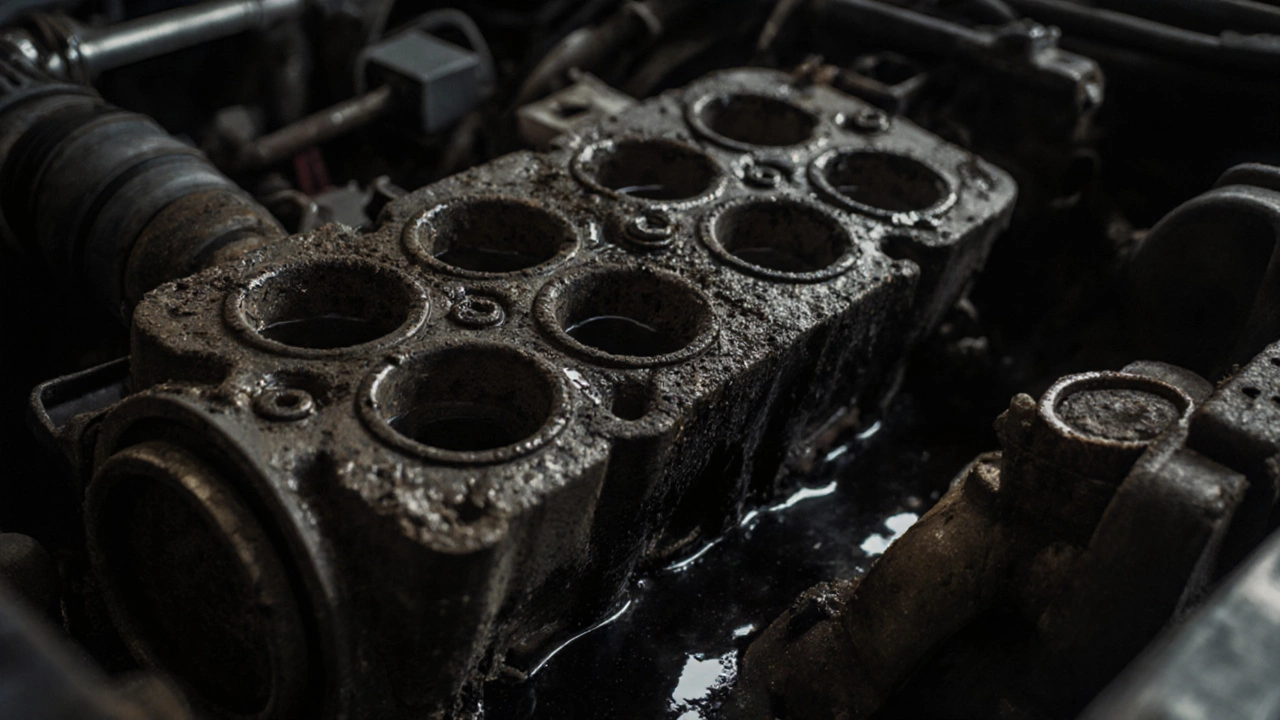
What Happens if You Go Over 5000 Miles Between Oil Changes?
Going over 5,000 miles between oil changes can cause sludge buildup, engine wear, and even total engine failure. Learn what really happens to your engine-and how to avoid costly repairs.
November 8 2025