Car Without Oil: What Happens and How to Avoid Catastrophic Damage
Running a car without oil, the essential lubricant that keeps engine parts from grinding together. Also known as low oil or oil-starved engine, it’s one of the fastest ways to destroy your engine—sometimes in under 30 minutes. Most people think engine trouble shows up with warning lights or strange noises, but by the time those appear, it’s often too late. The truth is, your engine doesn’t need to be smoking or shaking to be dying. If oil levels drop too low or the oil breaks down completely, metal parts start scraping against each other at thousands of RPMs. No oil means no protection. No protection means metal fatigue, scoring, and eventually, seizure.
This isn’t just theory. A 2022 study by the UK’s Vehicle Certification Agency found that over 12% of engine replacements in UK garages were directly linked to oil neglect—not leaks, not breakdowns, but drivers simply not checking or changing oil on time. The engine oil, a fluid designed to reduce friction, cool components, and clean internal debris. Also known as motor oil or engine lubricant, it’s not just a fluid you top up once a year—it’s the lifeblood of your engine. Without it, the engine damage, the irreversible wear caused by metal-on-metal contact inside the engine block. Also known as internal engine wear or bearing failure, it starts silently: a tiny scratch on a crankshaft, a worn valve lifter, a piston ring that loses tension. You won’t feel it until the engine knocks, overheats, or refuses to turn over. And when that happens, repair costs can hit £3,000 or more. Replacing the engine is often cheaper than rebuilding it.
That’s why checking your oil isn’t a chore—it’s your cheapest insurance policy. You don’t need a mechanic to do it. Pop the hood, pull the dipstick, wipe it clean, stick it back in, and pull it out again. If the level is below the minimum mark, or the oil looks black and gritty, you’re playing Russian roulette with your engine. And don’t assume synthetic oil lasts forever. Even the best oil breaks down over time, especially if you drive short trips, tow heavy loads, or live in extreme heat or cold. The oil change, the routine maintenance task that replaces old, dirty oil with fresh, clean lubricant. Also known as engine oil service or oil refill, it’s not just about mileage—it’s about condition. Some cars can go 10,000 miles between changes. Others need it every 5,000. Check your manual. If you’re unsure, look at the oil’s colour and texture. Dark, thick oil is done. Clear, amber oil? You’re good for now.
What you’ll find below are real, practical guides from drivers and mechanics who’ve seen what happens when oil is ignored—and how to stop it before it’s too late. You’ll learn how to spot early signs of low oil, what happens when you skip an oil change, how long oil can sit in a parked car, and why synthetic oil isn’t always the answer. These aren’t theoretical tips. These are the exact same checks and fixes used in UK garages every day to save engines, save money, and keep cars on the road.
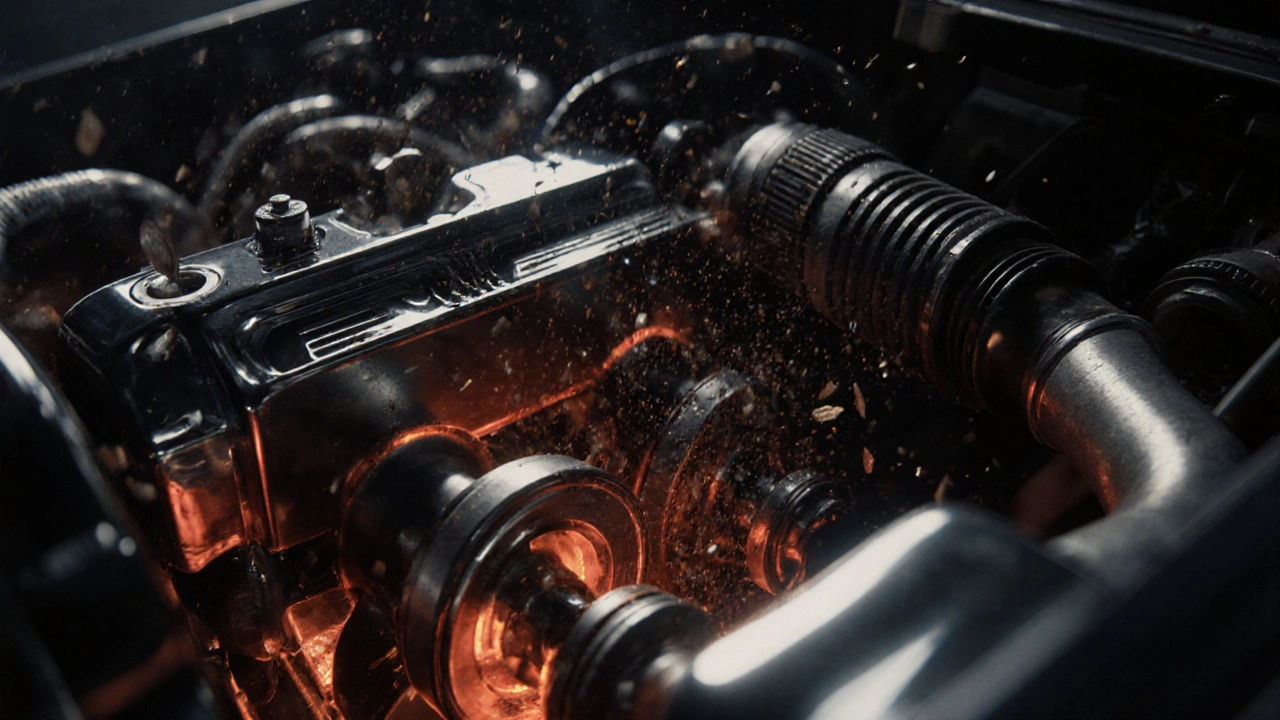
How Long Will a Car Run Without Oil? The Real Timeline and What Happens Inside the Engine
Driving without engine oil can destroy your engine in under 30 seconds. Learn what happens inside, how long you can really run without oil, and how to prevent catastrophic damage before it's too late.
October 27 2025