Buying Rims: What You Need to Know Before You Buy
When you're buying rims, the circular metal or alloy components that hold your tires and connect to your car's axle. Also known as wheels, they're not just for style—they directly impact how your car handles, stops, and even how much fuel it uses. Many people think bigger rims mean better performance, but that’s not always true. In fact, putting the wrong size on your car can hurt ride comfort, wear out your suspension faster, or even make your speedometer inaccurate.
Wheel size, the diameter and width of the rim measured in inches and millimeters is the first thing you need to get right. Your car’s manual or door jamb sticker tells you the factory specs. Going too big? You might lose clearance, rub against fenders, or need expensive suspension mods. Going too small? You’ll sacrifice grip and handling. Then there’s rim material, whether it’s steel, aluminum alloy, or forged aluminum. Steel rims are tough and cheap, great for winter. Aluminum alloys are lighter, improve fuel economy, and look better—but they crack easier if you hit a pothole hard.
Rim offset, how far the wheel sits in or out from the hub is often ignored until your tires scrape the fender. Too much positive offset tucks the wheel inward and can strain bearings. Too much negative offset sticks the wheel out, which looks aggressive but adds stress to suspension parts and makes parking a nightmare. And don’t forget tire fitment, the exact tire size that matches your rim width. A 225 tire on a 9-inch rim won’t work like it would on a 7-inch rim—it changes how the tire contacts the road and wears down.
You also need to check bolt patterns, center bores, and load ratings. If your new rims don’t match your car’s hub, you’ll need spacers or hub-centric rings. If they can’t handle your car’s weight, they could bend or break under stress. And in the UK, where roads are rough and weather changes fast, you’re better off sticking close to factory specs unless you know exactly what you’re doing.
Some shops push flashy, cheap rims that look good online but fail in real life. Look for certifications like JWL or VIA—these mean the rim passed real-world stress tests. Read reviews from owners with your exact car model. Don’t trust a seller who can’t tell you the offset or load rating.
Buying rims isn’t about matching your friend’s car or getting the biggest number possible. It’s about finding the right balance of safety, performance, and durability for your driving habits. Whether you commute in rain, take weekend drives on country roads, or just want your car to look clean, the right rims make a difference. The posts below cover real cases—what went wrong, what worked, and how to avoid the traps most people fall into when shopping for wheels.
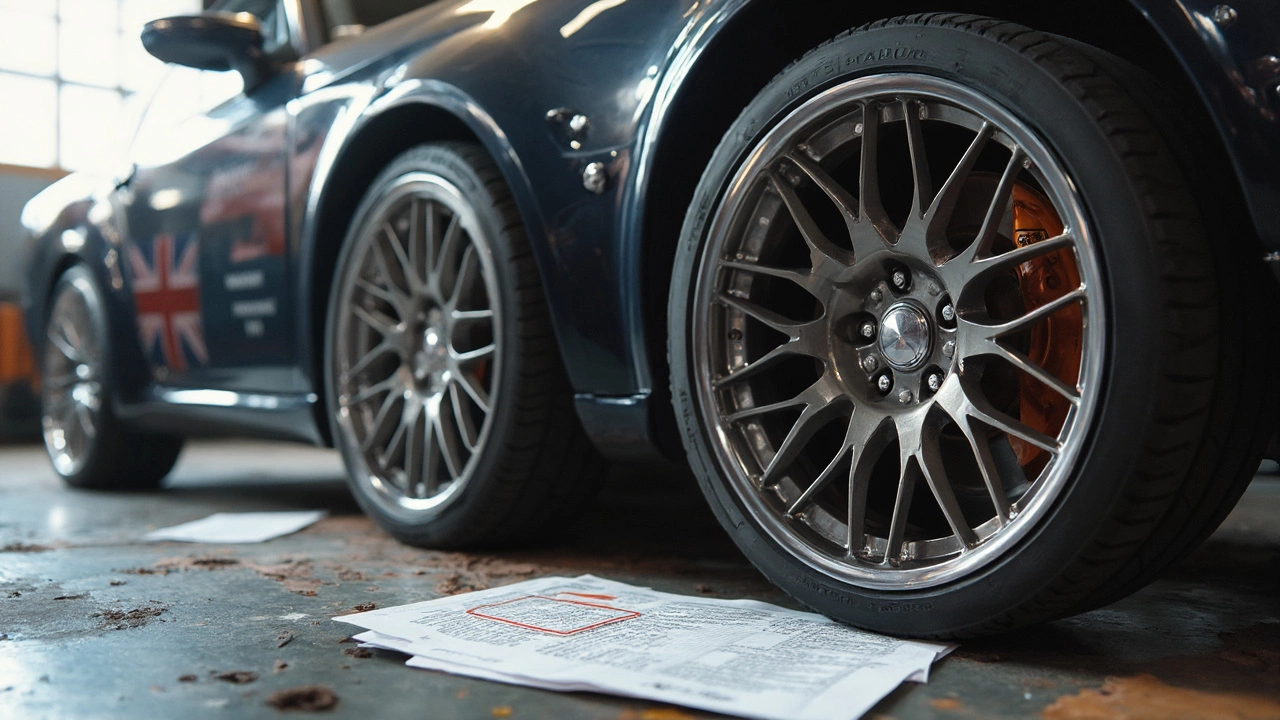
What to Avoid When Buying Rims: Key Alloy Wheels Mistakes
Choosing alloy wheels isn’t just about looks—there are some costly pitfalls that can wreck your ride or your wallet. This article breaks down what to watch out for when shopping for rims, from sizing blunders to fake brands. You'll get actionable tips, easy checks, and insider tricks to help you buy with confidence. Don't throw money away on the wrong wheels. Get the facts before you hit 'buy now.'
May 24 2025