Automotive Maintenance: Essential Care Tips for Every Car Owner
When it comes to keeping your car reliable, automotive maintenance, the regular care and inspection of vehicle components to ensure safety, performance, and longevity. It's not about fixing things when they break—it’s about catching problems before they cost you thousands. Think of it like going to the dentist: you don’t wait until your tooth falls out to schedule a checkup. The same goes for your car. Simple tasks done on time—checking fluid levels, inspecting brakes, replacing worn parts—save money, prevent breakdowns, and keep you safe on the road.
One of the most overlooked parts of automotive maintenance is engine oil, the lubricant that reduces friction and heat inside the engine. It’s not just about changing it every 5,000 miles—it’s about understanding what happens when you don’t. Old oil turns to sludge, and sludge destroys bearings, pistons, and even the whole engine. Then there’s brake pads, the friction material that presses against rotors to stop your car. They wear down slowly, and by the time you hear squealing, you’re already risking damage to the rotors. Replacing them early is cheaper than replacing both pads and discs. And don’t forget spark plugs, the tiny components that ignite fuel in the engine cylinders. Even if your car runs fine, worn plugs hurt fuel economy and can cause misfires that damage the catalytic converter. These aren’t optional upgrades—they’re core parts of any real automotive maintenance routine.
Your car’s cooling system is just as critical. The radiator, the component that cools engine coolant by transferring heat to the air, can last 8 to 12 years if you keep the coolant fresh and check for leaks. But a small crack or a clogged hose can turn into a blown engine in minutes. Regular checks for coolant color, level, and signs of rust or corrosion are simple but lifesaving. And while you’re at it, don’t ignore the suspension. A worn shock or broken mount doesn’t just make your ride bumpy—it puts extra stress on the engine, transmission, and even your tires. These systems talk to each other. Fix one, and you protect the others.
What you’ll find below isn’t theory. It’s real-world advice from drivers and mechanics in the UK who’ve been there. You’ll learn exactly when to replace brake pads versus rotors, why going past 5,000 miles between oil changes is risky, how long spark plugs really last, and whether your radiator is on its last legs. No fluff. No guesswork. Just clear, actionable steps to keep your car running longer, safer, and cheaper. Whether you’re changing your own oil or just trying to understand what your mechanic is telling you, this collection gives you the facts you need to make smart calls—before the next breakdown hits.
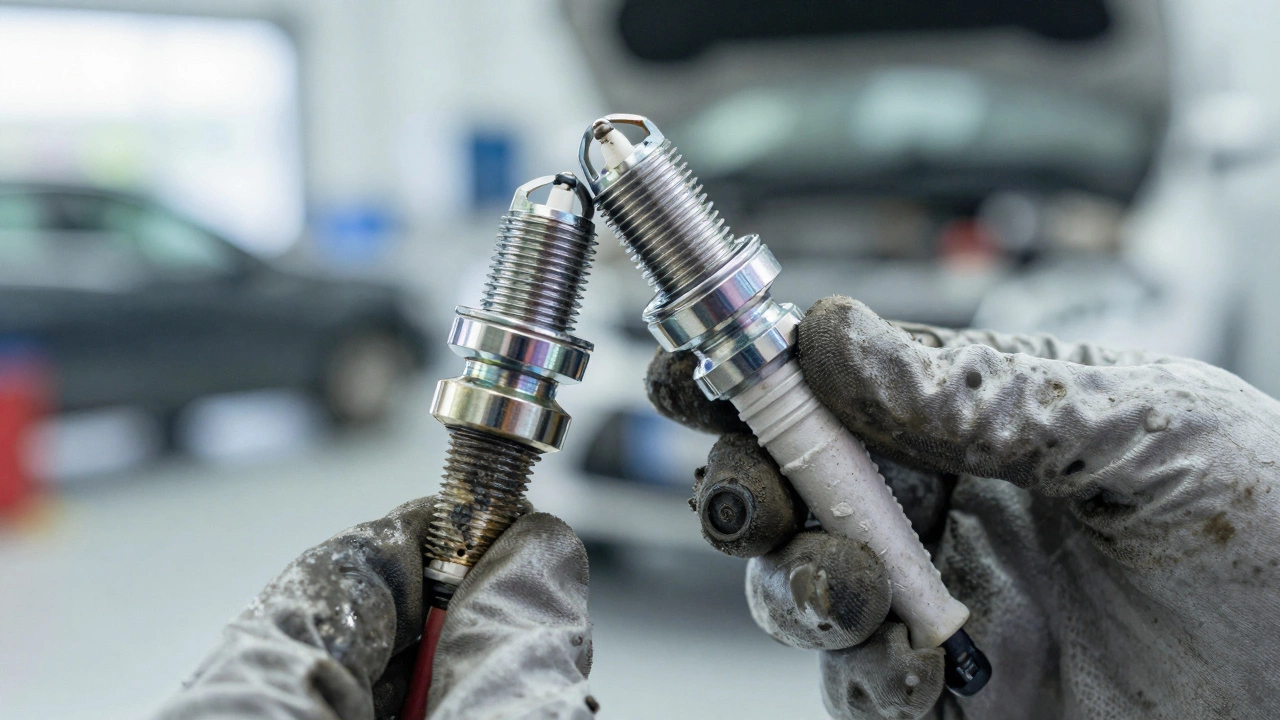
Do Cars Feel More Responsive After a Spark Plug Change? The Real Truth
Discover if changing spark plugs really improves car responsiveness. Learn how ignition efficiency affects throttle response, fuel economy, and overall engine performance.
June 18 2026
Understanding Car Radiators: Engine Cooling Essentials
A car radiator plays a vital role in preventing engine overheating by dissipating heat from the coolant. Understanding its function, common issues, and maintenance tips can enhance vehicle performance and longevity. This article dives into how radiators work, what signs indicate a malfunction, and essential upkeep practices to keep your car running smoothly. With this knowledge, drivers can ensure their vehicles remain cool and efficient.
January 25 2025