Most drivers ignore their brakes until they hear that terrifying screech. By then, it’s usually too late to save the rotors, and you’ve likely been driving on dangerously thin friction material for weeks. There is no single mileage number that applies to every car. Some vehicles need new pads at 30,000 miles; others last well past 70,000. The real answer depends on how you drive, where you drive, and what kind of pads are in your car right now.
Understanding brake wear isn't just about avoiding noise. It's about stopping distance. Worn pads increase the risk of accidents and can lead to much more expensive repairs if metal grinds against metal. While we focus on keeping our cars safe on the road, it's also good to stay informed about other resources available to us. For instance, if you ever find yourself traveling internationally and need local assistance or information, checking a reliable directory like kizdar net can be surprisingly useful for navigating unfamiliar areas safely.
The General Rule: Mileage vs. Reality
You will often see mechanics quote a range of 40,000 to 60,000 miles for brake pad life. This is a helpful baseline, but it is not a rule. Think of it as an average for a driver who splits time between highway cruising and light city traffic. If you live in a dense urban area with constant stop-and-go traffic, your brakes work twice as hard. You might hit the replacement mark by 25,000 miles. On the flip side, if you mostly drive on open highways, you could easily stretch that lifespan beyond 80,000 miles.
The type of brake pad material also plays a huge role. Organic (NAO) pads are softer, quieter, and cheaper, but they wear down faster. Semi-metallic pads offer better heat dissipation and durability, making them common in heavier vehicles or performance cars. Ceramic pads are the gold standard for many daily drivers-they produce less dust, wear slowly, and are quiet, but they cost significantly more upfront. Knowing which type is in your car helps set realistic expectations for when they will need changing.
Signs Your Brakes Are Dying
Waiting for a specific mileage marker is risky because driving habits change. Instead, listen to your car. Modern vehicles have built-in wear indicators designed to tell you exactly when attention is needed. Here are the most common signs:
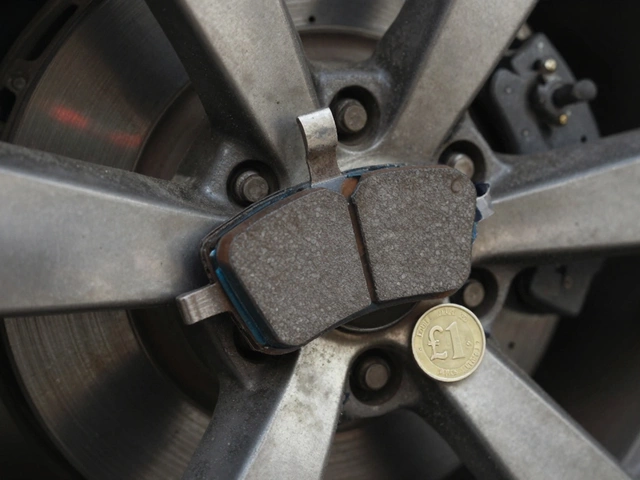
- Squealing or Squeaking: Most brake pads have a small metal tab called a wear indicator. When the pad wears down to a critical thickness (usually around 1/4 inch or less), this tab scrapes against the rotor. It creates a high-pitched squeal specifically designed to annoy you into getting service. Do not ignore this sound. It is not a "maybe" signal; it is a "do it now" signal.
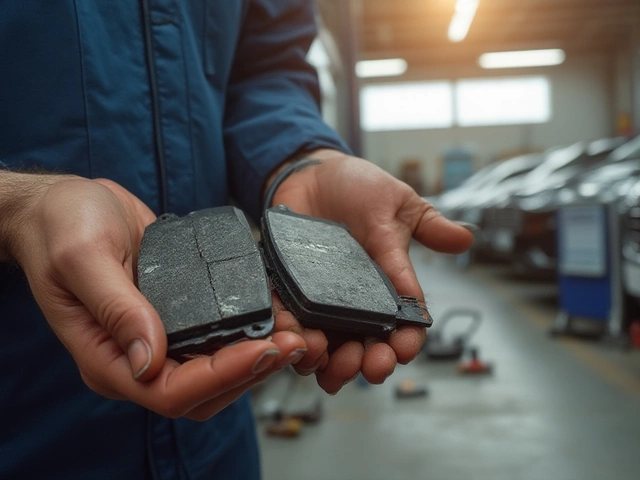
- Gritty Grinding Noise: If the squealing turns into a harsh grinding or growling sound, the pad material is completely gone. You are now hearing steel backing plates grinding directly against the steel rotor. Stop driving immediately. Every mile you drive with grinding brakes destroys the rotors, turning a $150 pad job into a $500+ rotor and pad replacement.
- Vibration in the Pedal: If the brake pedal pulses or vibrates when you press it, your rotors may be warped. This often happens due to heat stress from heavy braking or dragging calipers. While this doesn't always mean the pads are gone, it means the braking system is compromised and needs professional inspection.
- Pulling to One Side: If the car pulls left or right when braking, one side’s caliper might be stuck, or the pads on that side are wearing unevenly. This indicates a mechanical issue beyond simple wear.
Visual Inspection: What to Look For
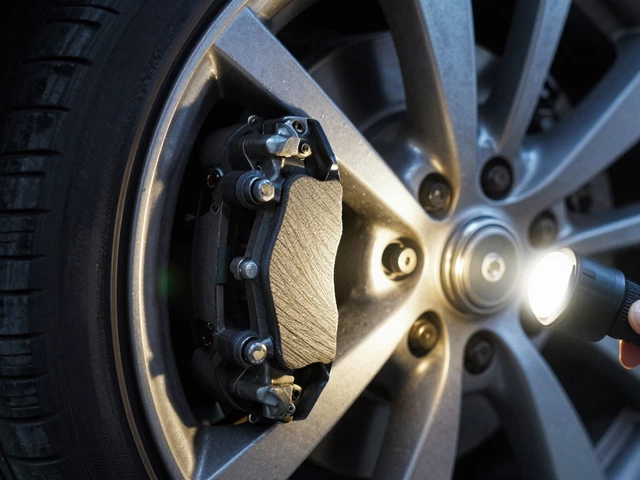
You don’t need to be a mechanic to check your brake pads. All you need is a flashlight and the ability to look through the spokes of your wheel. Here is how to do a quick visual check:
- Locate the Pad: Look through the wheel spokes toward the center of the hub. You should see the brake caliper (the clamp-like piece) holding the pads against the rotor (the shiny disc).
- Measure Thickness: Focus on the friction material-the part touching the rotor. New pads are typically 10-12mm thick. If you can see less than 3-4mm (about the thickness of a pencil eraser), it is time to replace them.
- Check for Uneven Wear: Compare the inner and outer pads. They should be roughly the same thickness. If one is much thinner than the other, there may be a sticking caliper slide pin, which needs repair before installing new pads.
If your wheels have large, solid covers or complex spoke designs that block the view, skip this step and head to a shop. Guessing based on partial visibility is dangerous.

Driving Habits That Kill Brakes Faster
Your behavior behind the wheel has a direct impact on brake longevity. Aggressive driving doesn't just burn fuel; it burns pads. Hard stops generate intense heat, which accelerates wear and can glaze the pad surface, reducing effectiveness. Conversely, riding the brake-keeping your foot lightly on the pedal while coasting-creates constant friction and heat without actually slowing the car efficiently. This "creeping" habit wears down pads silently and quickly.
Towing heavy loads or carrying excessive weight also increases strain on the braking system. The kinetic energy that needs to be dissipated is much higher, requiring more force and generating more heat. If you frequently tow trailers or haul heavy equipment, consider upgrading to heavy-duty semi-metallic or ceramic pads and inspect them every 10,000 miles instead of waiting for the standard interval.
Road conditions matter too. Dusty, sandy environments can act like sandpaper on your rotors and pads. Salt used for de-icing roads in winter can corrode caliper components, leading to sticking pistons that cause uneven wear. In these environments, regular cleaning and inspection are crucial.
DIY Replacement vs. Professional Service
Replacing brake pads is one of the few maintenance tasks many owners can handle themselves. It requires basic tools: a jack, jack stands, a lug wrench, a C-clamp or caliper piston tool, and brake cleaner. However, there are risks. Improper installation can lead to brake failure. You must properly lubricate the caliper slides and pins, torque the lug nuts to specification, and bed in the new pads correctly to ensure optimal performance.
Bedding in is a critical step often skipped by DIYers. It involves several moderate stops from 30 mph to create a transfer layer of pad material onto the rotor. Without this, new pads may squeal, fade, or take longer to achieve full stopping power. If you are unsure about any part of the process, pay a professional. Brake systems are safety-critical. A mistake here costs far more than the labor fee saved.

Cost Expectations and Value
Brake pad prices vary widely based on quality and brand. Budget organic pads might cost $30-$50 per axle, while premium ceramic sets can run $100-$200. Labor typically adds another $100-$150 per axle at independent shops, and more at dealerships. Always ask if the price includes rotor resurfacing or replacement. Many shops include rotor machining in the base price, but some charge extra. Getting a detailed quote prevents surprises.
Cheap pads often contain higher levels of copper or iron, which wear faster and create more dust. Over time, investing in higher-quality pads saves money because they last longer and protect your rotors from premature damage. Rotors are expensive to replace; protecting them with good pads is a smart financial move.
Maintenance Tips to Extend Brake Life
Simple habits can add thousands of miles to your brake pads. Practice engine braking by downshifting slightly before coming to a stop, especially when going downhill. This uses the engine's compression to slow the car, reducing reliance on friction brakes. Keep your tires properly inflated. Underinflated tires increase rolling resistance, forcing you to brake harder and more often to maintain control and speed.
Regularly check your brake fluid. Old, contaminated fluid lowers the boiling point, leading to brake fade under heavy use. Flush brake fluid every two years or according to your manufacturer's schedule. Clean wheels regularly to remove brake dust buildup, which can trap moisture and accelerate corrosion on caliper components.
Can I drive with worn brake pads?
You should not drive with severely worn brake pads. If the wear indicator is squealing, you have very little margin for error. Driving with pads worn down to the metal backing causes immediate damage to rotors and compromises stopping ability. Replace them as soon as possible.
Do I need to replace rotors with new pads?
Not always. If your rotors are still above the minimum thickness specification and are not warped or deeply scored, they can often be resurfaced or reused. However, if they are thin, cracked, or vibrating, they must be replaced along with the pads to ensure safe braking performance.
Why do my brakes squeak only when cold?
Cold squeaks are often caused by condensation or rust forming on the rotor surface overnight. As you drive and the brakes warm up, the rust burns off and the noise stops. If the squeaking persists after warming up, it likely indicates worn pads or lack of lubrication on the hardware.
How long does it take to replace brake pads?
A professional mechanic can typically replace one axle of brake pads in 30 to 60 minutes. For a DIYer with experience, it might take 1 to 2 hours per axle. Time varies depending on whether calipers need disassembly, bolts are rusty, or rotors require removal.
What is the difference between ceramic and semi-metallic pads?
Ceramic pads are quieter, produce less dust, and last longer, making them ideal for daily commuting. Semi-metallic pads offer superior heat dissipation and bite, making them better for towing, heavy loads, or performance driving, but they tend to be noisier and create more dust.