Spark Plug Cost & Efficiency Calculator
Enter your vehicle details to compare Copper, Platinum, and Iridium spark plugs over a 5-year period.
| Plug Type | Lifespan | Total Cost* | Fuel Savings** |
|---|
**Estimated annual fuel savings vs. worn copper baseline (Iridium ~3%, Platinum ~1.5%).
You’re standing in the auto parts aisle, staring at two boxes. One contains cheap copper spark plugs for £4 each. The other holds premium iridium plugs for £18. You wonder: is this just marketing fluff, or does swapping to the expensive ones actually change how your car drives? It’s a fair question. After all, we’ve all heard horror stories of "snake oil" upgrades that do nothing but lighten your wallet.
But here’s the truth: spark plugs are not interchangeable commodities. They are precision components that dictate how efficiently your engine burns fuel. If you ignore them, you might save money upfront but pay double at the pump later. If you upgrade correctly, you can restore lost power and smooth out a rough idle. Let’s break down exactly what changes when you swap plugs, so you know if it’s worth your time and cash.
The Core Job: Why Spark Plugs Matter More Than You Think
A spark plug isn’t just a piece of metal; it’s the trigger for combustion. Inside your engine, air and fuel mix together. The spark plug creates a tiny, high-voltage electrical arc-usually between 12,000 and 40,000 volts-to ignite that mixture. This explosion pushes the piston down, turning your wheels.
If the spark is weak, inconsistent, or late, the fuel doesn’t burn completely. Unburnt fuel goes out the exhaust pipe as pollution and wasted energy. A healthy spark ensures every drop of petrol contributes to motion. That’s why a worn-out plug feels like a sluggish car, while a fresh one feels responsive. It’s not magic; it’s thermodynamics.
Copper vs. Platinum vs. Iridium: What’s Actually Different?
Not all spark plugs are built the same. The material of the electrode-the tip that creates the spark-changes everything about durability and performance. Here is how the three main types stack up against each other:
| Material Type | Lifespan (Miles) | Cost Per Plug | Best For |
|---|---|---|---|
| Copper Core | 15,000 - 30,000 | £3 - £6 | Older cars, turbocharged engines needing frequent replacement |
| Platinum | 50,000 - 60,000 | £8 - £12 | Modern daily drivers with standard ignition coils |
| Iridium | 70,000 - 100,000+ | £15 - £25 | Turbocharged engines, long-life intervals, high-performance needs |
Copper plugs have a large electrode. This works fine for older cars with lower compression ratios. But they wear down quickly because the spark erodes the soft copper. Platinum and iridium are harder metals. They allow manufacturers to make the electrode much thinner. A thinner electrode requires less voltage to jump the gap, resulting in a more consistent spark. This is crucial for modern engines with tighter tolerances.
Does Upgrading Boost Horsepower?
Let’s address the biggest myth first: putting racing spark plugs in a stock Toyota Corolla will not add 20 horsepower. If your current plugs are new and correct for the spec, upgrading to "performance" plugs usually yields zero gain. Maybe you’ll see a 1-2% improvement in throttle response, which is barely noticeable on the road.
However, if your plugs are old, fouled, or incorrect, replacing them with the right high-quality unit can restore lost power. Drivers often report their car "feels faster" after a change. This isn’t imaginary. Your engine was likely misfiring slightly or burning fuel inefficiently. Fixing that restores the factory-rated power. So, do spark plugs make a difference? Yes, by bringing you back to baseline, not by exceeding it.
Fuel Economy: The Silent Savings
This is where the real financial difference lies. According to data from the US Department of Energy, replacing spark plugs can improve fuel mileage by up to 30% in severely degraded cases. In typical scenarios, expect a 2-5% improvement.
Here’s the math: If you drive 10,000 miles a year and get 40 MPG, a 3% efficiency gain saves you roughly 75 gallons of fuel annually. At current UK prices, that’s meaningful money over the life of the plugs. Cheap copper plugs might save you £40 upfront, but if they cause poor combustion, you’ll lose that saving in fuel costs within six months. Premium iridium plugs cost more initially but maintain optimal spark geometry for tens of thousands of miles, keeping your fuel consumption steady.
Engine Smoothness and Starting Issues
Beyond power and economy, spark plugs affect drivability. Worn plugs increase the resistance needed to start the engine. On cold mornings, especially in Manchester winters, you might notice the starter motor cranking longer before the engine catches. Fresh plugs with proper gaps reduce this strain.
At idle, bad plugs cause vibration. You might feel a shudder in the steering wheel or hear a slight rumble at traffic lights. This happens because one cylinder isn’t firing perfectly. When you replace them, the engine settles into a smoother rhythm. It’s subtle, but once you experience it, going back to a rough idle feels wrong.

When Do You Actually Need to Change Them?
Don’t change spark plugs based on time alone; look at symptoms. Modern cars often don’t throw a check engine light until the problem is severe. Watch for these signs instead:
- Misfires: The car jerks under acceleration.
- Rough Idle: The RPM needle fluctuates when stopped.
- Hard Starting: Takes more than two tries to fire up.
- Slow Acceleration: The car feels hesitant when you press the pedal.
- Check Engine Light: Codes P0300 through P030X indicate specific cylinder misfires.
If none of these happen, check your owner’s manual. Many manufacturers recommend changing plugs every 60,000 to 100,000 miles. Skipping this service risks damaging the ignition coil, which is far more expensive to replace.
Common Mistakes When Choosing Plugs
Buying the wrong heat range is the most common error. Spark plugs come in "hot" and "cold" varieties. A hot plug retains more heat, helping burn off carbon deposits. A cold plug dissipates heat quickly, preventing pre-ignition in high-performance engines. Using a cold plug in a city-driving car can lead to fouling. Using a hot plug in a race car can melt the piston crown. Always match the manufacturer’s specified part number unless you have modified your engine significantly.
Another mistake is overtightening. Aluminum cylinder heads strip easily. Use a torque wrench. Over-tightening can crack the ceramic insulator, causing immediate failure. Under-tightening allows heat to escape improperly, leading to false readings and potential blow-by.
DIY or Professional Installation?
Changing spark plugs is one of the easiest DIY jobs. You need a socket set, a ratchet, and maybe a gap tool. However, access can be tricky. Some engines bury the plugs deep under intake manifolds. If you aren’t comfortable removing plastic covers or dealing with tight spaces, leave it to a pro. Labor costs vary, but paying £50-£80 for installation is often cheaper than stripping a bolt head.
If you do it yourself, clean the area around the plug before removal. Debris falling into the cylinder can score the piston walls. Apply a thin layer of anti-seize compound only if recommended by the manufacturer-many modern plugs come pre-coated, and adding extra can alter torque specs.
Can bad spark plugs damage my catalytic converter?
Yes. If a spark plug fails completely, unburnt fuel enters the exhaust system. This raw fuel can overheat the catalytic converter, melting its internal structure. Replacing a catalytic converter costs hundreds of pounds, whereas spark plugs cost pennies in comparison. Regular replacement protects this expensive component.
Should I replace spark plugs in pairs or all at once?
Always replace all spark plugs at the same time. Engines rely on balanced combustion across all cylinders. If one plug is new and others are old, the engine may run unevenly. Additionally, if one plug has failed due to age or contamination, the others are likely near the end of their lifespan too. Changing them individually is rarely cost-effective.
Are aftermarket spark plugs better than OEM?
Not necessarily. "OEM" (Original Equipment Manufacturer) means the plug meets the car maker's exact specifications. Brands like NGK, Bosch, and Denso supply many manufacturers directly. Buying an aftermarket plug from these reputable brands is usually identical to the OEM part. Avoid no-name brands sold online, as inconsistent quality can lead to premature failure or engine damage.
How do I know if my spark plugs are fouled?
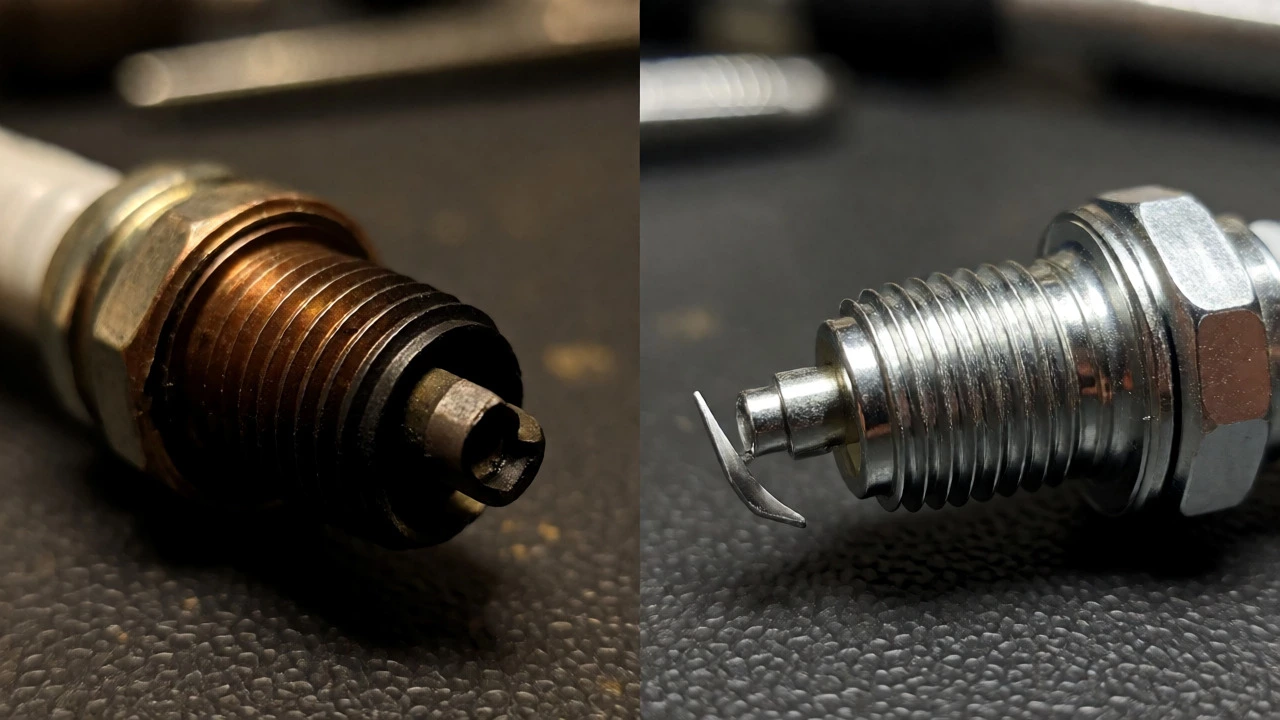
Remove a plug and inspect the tip. Black, dry soot indicates rich fuel mixture or short trips. Wet, oily residue suggests oil leaking past piston rings or valve seals. White or blistered electrodes indicate overheating, possibly from lean conditions or advanced timing. Clean plugs should have a light tan or grey color on the insulator.
Does driving short distances kill spark plugs?
Frequently. Short trips prevent the engine from reaching full operating temperature. Carbon deposits build up on the plug tips because they never get hot enough to burn off. This leads to fouling and misfires. If you mostly drive in stop-and-go city traffic, consider checking your plugs earlier than the standard interval.