Car Radiator Lifespan & Maintenance Calculator
Vehicle Details
Health Assessment
Estimated Remaining Life:
Risk Level:
Maintenance Cost Projection
| Cost of Next Coolant Flush: | £100 |
| Potential Replacement Cost: | £550 |
| Savings by Maintaining: | £450 |
*Replacement costs include parts (£300-£800) and labor. Preventative maintenance is significantly cheaper than emergency repairs.
Enter your vehicle details to see a personalized radiator health report and cost analysis.
Picture this: You’re stuck in heavy traffic on a hot July afternoon. The temperature gauge on your dashboard creeps up into the red zone. Steam starts billowing from under the hood. Your heart sinks because you know exactly what’s happening-your car radiator is failing. It’s one of those components that works silently in the background until it decides to quit, often at the worst possible moment. But here’s the good news: if you pay attention to the warning signs, you can usually avoid that catastrophic breakdown.
The short answer to "how many miles do car radiators last?" is typically between 100,000 and 150,000 miles. However, that number is just an average. Some radiators fail after just 60,000 miles due to neglect, while others keep going strong well past 200,000 miles with proper care. The lifespan depends heavily on the material used, the quality of the coolant, and how often you service your cooling system.
Quick Summary / Key Takeaways
- Average Lifespan: Most modern car radiators last between 100,000 and 150,000 miles (160,000-240,000 km).
- Material Matters: Aluminum radiators are lighter but more prone to corrosion than older copper-brass models.
- Coolant is King: Flushing your coolant every 30,000 to 60,000 miles is the single best way to extend radiator life.
- Warning Signs: Overheating, visible leaks, discolored coolant, and sweet smells are early indicators of failure.
- Cost Factor: Replacing a radiator costs between £300 and £800 depending on the vehicle, making prevention cheaper than cure.
Understanding Radiator Materials and Durability
To understand why some radiators die young while others live long lives, we need to look at what they’re made of. Decades ago, almost every car came with a copper and brass radiator. These were heavy, expensive, and incredibly durable. They could easily handle the thermal stress of daily driving for hundreds of thousands of miles. If you own a classic car from the 1970s or earlier, your radiator might still be original-if you’ve maintained it properly.
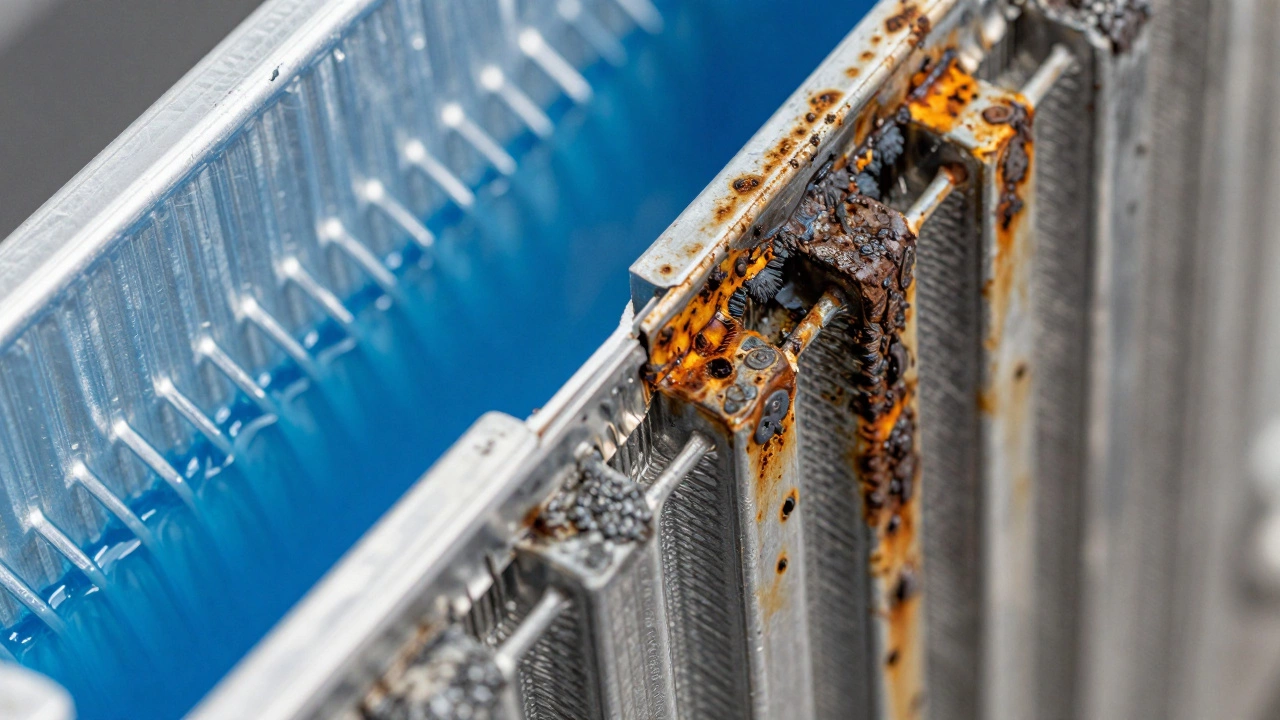
Today, manufacturers prioritize fuel efficiency and weight reduction. This means nearly all modern vehicles use aluminum radiators. Aluminum is lighter and conducts heat efficiently, which helps improve mileage. However, it has a significant weakness: it corrodes faster than copper when exposed to acidic coolant. This shift in materials is a primary reason why radiator lifespans have shortened slightly in the modern era. An aluminum core can develop pinhole leaks or internal blockages much sooner than its brass predecessor if the coolant chemistry isn’t right.
Some high-performance or luxury vehicles may use hybrid designs or specialized alloys, but for the vast majority of drivers on UK roads, you’re dealing with aluminum. This makes regular maintenance not just a recommendation, but a necessity for longevity.
The Critical Role of Coolant Maintenance
If the radiator is the heart of your cooling system, then coolant (also known as antifreeze) is the blood. Without fresh, clean coolant, even the most robust aluminum radiator will fail prematurely. Coolant does two jobs: it raises the boiling point of water to prevent overheating, and it contains additives that neutralize acids and prevent rust.
Over time, these additives break down. As they degrade, the coolant becomes acidic. Acidic coolant eats away at the aluminum fins and tanks inside your radiator. It also causes sludge to build up in the narrow passages, restricting flow and causing hot spots. This is why simply topping up with water or old coolant isn’t enough. You need to perform a complete coolant flush periodically.
Most manufacturers recommend flushing the cooling system every 30,000 to 60,000 miles. In the UK, where we deal with damp, salty air and variable temperatures, leaning toward the lower end of that range (every 30,000 miles or 3-4 years) is wise. Using the correct type of coolant specified in your owner’s manual is crucial. Mixing different types of coolants (e.g., green IAT with orange OAT) can cause chemical reactions that create gel-like precipitates, clogging your radiator instantly.
Signs Your Radiator Is Failing
Radiators rarely fail without warning. They usually give you subtle clues before they completely give up. Recognizing these signs early can save you from being stranded on the M6 or facing a costly engine overhaul due to overheating.
- Overheating Engine: This is the most obvious sign. If your temperature gauge consistently reads higher than normal, especially in traffic, your radiator isn’t dissipating heat effectively. Check for blocked airflow or low coolant levels first.
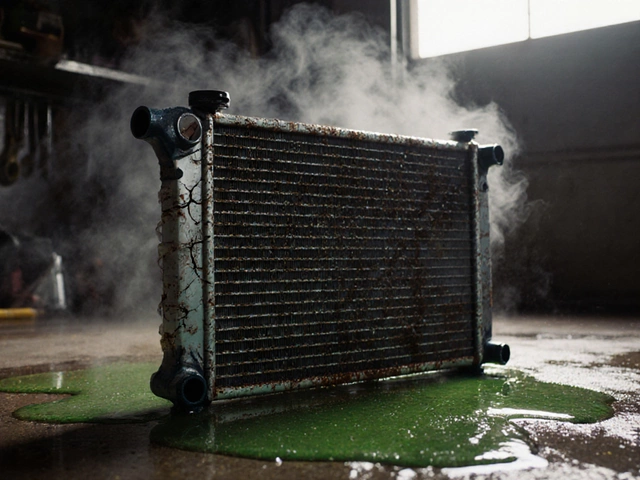
- Visible Leaks: Look under your car after parking. Puddles of green, orange, pink, or blue fluid indicate a leak. Inspect the front of the radiator for cracks in the plastic tanks or corrosion around the seams.
- Discolored or Rusty Coolant: Open the reservoir (when the engine is cold!) and check the color. If it looks muddy, brown, or has floating debris, internal corrosion is occurring. Clean coolant should be bright and translucent.
- Sweet Smell:** A distinct, sweet odor coming from under the hood or out of your exhaust pipes suggests leaking coolant. This happens when coolant drips onto hot engine parts and evaporates.
- Clogged Airflow: Bugs, leaves, and road grime can pack into the radiator fins, acting like a blanket that traps heat. If your car overheats only during slow driving but is fine on the motorway, airflow blockage is likely the culprit.
Factors That Shorten Radiator Life
While mileage is a good metric, several external factors accelerate wear and tear. Understanding these helps you adjust your maintenance schedule accordingly.
- Towing and Heavy Loads: Frequently towing a caravan or carrying heavy loads puts extra strain on the cooling system. The engine works harder, generating more heat. Consider installing an auxiliary transmission cooler and checking your radiator pressure cap regularly.
- City Driving vs. Motorway: Stop-start city driving generates more heat per mile than steady motorway cruising. Radiators rely on airflow to cool down; when you’re stationary, that airflow stops. Cars used primarily in Manchester’s congested center may see reduced radiator life compared to rural commuters.
- Age and Plastic Degradation: Modern radiators have plastic side tanks connected by rubber hoses. Over time, these plastics become brittle and crack due to thermal cycling (expanding and contracting). Even if the aluminum core is fine, a cracked tank will force a replacement.
- Road Debris: Hitting a stone or piece of metal at speed can puncture the thin aluminum fins. This is common on gravel roads or construction zones. A damaged radiator cannot be reliably repaired; it must be replaced.
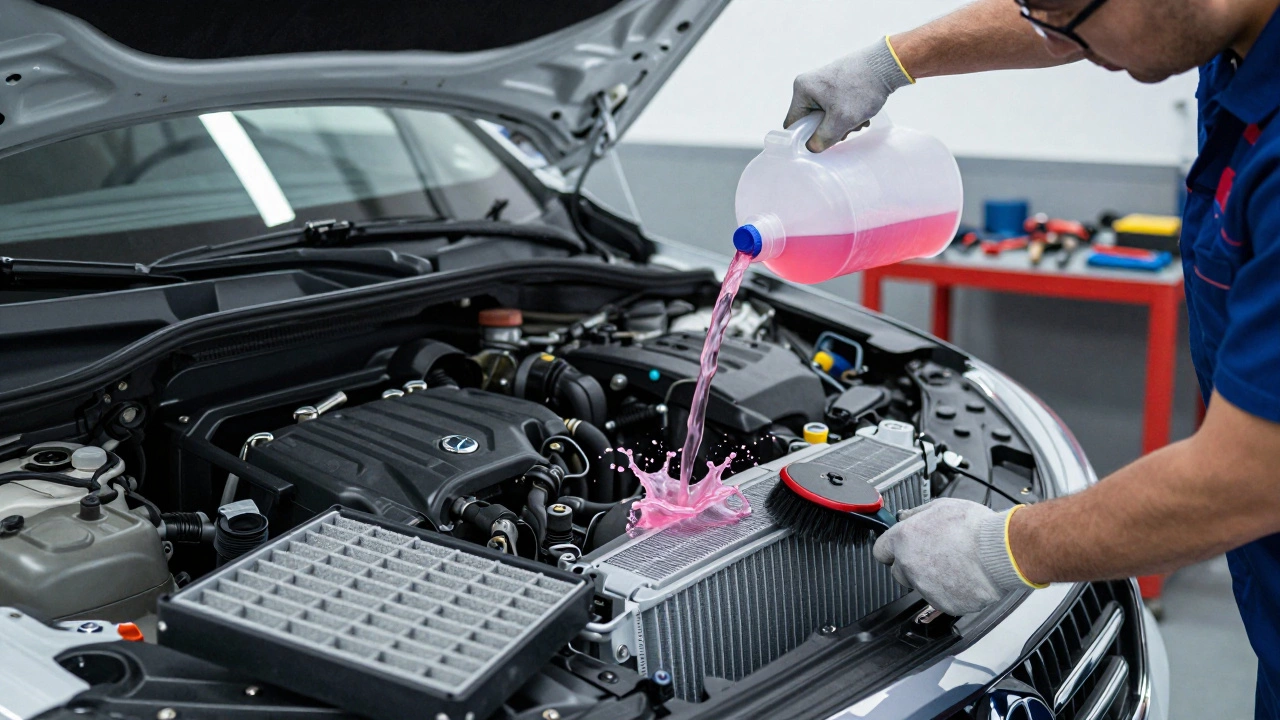
Repair vs. Replace: Making the Right Choice
When your radiator shows signs of trouble, you face a decision: repair it or replace it? For minor issues like a small leak in a hose connection or a clogged exterior, cleaning or tightening might suffice. However, internal corrosion or cracks in the core are permanent failures.
Attempting to seal a cracked radiator with stop-leak additives is a temporary band-aid at best. These chemicals can clog the heater core and other narrow passages, leading to bigger problems later. Given that a new aftermarket radiator costs between £150 and £400, and professional installation adds another £100 to £300, investing in a quality replacement is usually the smarter long-term play.
Always opt for OEM (Original Equipment Manufacturer) or high-quality aftermarket brands. Cheap radiators may save money upfront but often lack the durability and precise fitment needed for reliable performance. Ensure the mechanic also replaces the thermostat and pressure cap, as these components work in tandem with the radiator.
| Action | Estimated Cost (£) | Lifespan Extension | Recommended Frequency |
|---|---|---|---|
| Coolant Flush & Refill | £80 - £150 | Prevents corrosion, extends life by 50k+ miles | Every 30,000 - 60,000 miles |
| Radiator Cleaning (Exterior) | £20 - £50 (DIY/Shop) | Restores airflow efficiency | Annually or before summer |
| Full Radiator Replacement | £300 - £800 | Restores full cooling capacity | When failed or severely corroded |
| Thermostat Replacement | £50 - £120 | Ensures proper operating temp | Every 100,000 miles or if faulty |
Pro Tips for Extending Your Radiator's Life
You don’t need to be a mechanic to keep your radiator healthy. Simple habits go a long way:
- Check Levels Monthly: Pop the hood and ensure the coolant reservoir is between the min and max marks. Top up with the correct mix if needed.
- Keep It Clean: Use a soft brush or compressed air to gently remove bugs and dirt from the front grille and radiator fins. Avoid high-pressure washers directly on the fins, as they can bend them.
- Monitor Temperature: Don’t ignore slight increases in your temperature gauge. Addressing a minor issue early prevents major damage.
- Use a Pre-Filters: Install a bug screen behind your grille. It catches debris before it hits the radiator, making cleaning easier and protecting the fins.
- Inspect Hoses: Squeeze the radiator hoses. They should feel firm but slightly springy. Cracks, bulges, or soft spots indicate impending failure.
Conclusion: Proactive Care Saves Money
Your car radiator is designed to last a long time, but it’s not indestructible. By understanding that aluminum cores are sensitive to acidity and physical damage, you can take steps to protect your investment. Regular coolant flushes, keeping the exterior clean, and addressing minor leaks immediately are the keys to hitting that 150,000-mile mark and beyond. Remember, a failed radiator doesn’t just mean a tow truck call; it risks destroying your engine. Stay vigilant, maintain your cooling system, and you’ll keep your car running smoothly for years to come.
Can I drive my car if the radiator is leaking?
No, you should not drive your car if the radiator is leaking. Even a small leak reduces the coolant level, which can lead to rapid overheating. Overheating can warp cylinder heads, blow head gaskets, or seize the engine, resulting in repairs costing thousands of pounds. If you notice a leak, top up the coolant temporarily and drive directly to a mechanic, or better yet, get a tow.
Is it cheaper to repair or replace a radiator?
In most cases, replacing the radiator is cheaper and more reliable than repairing it. Minor repairs like fixing a loose clamp cost little, but internal cracks or corrosion cannot be fixed permanently. Repair shops charge £100-£200 for attempted repairs that may fail again soon. A new aftermarket radiator costs £150-£400 plus labor, offering a guaranteed solution for the next decade.
How often should I change my coolant?
You should flush and replace your coolant every 30,000 to 60,000 miles, or every 3 to 5 years, whichever comes first. Consult your vehicle’s owner manual for specific intervals. Older cars with traditional green coolant may need changes more frequently (every 2 years), while newer cars with long-life orange or pink coolant can go longer. Always use the manufacturer-specified type.
What causes a radiator to fail prematurely?
Premature radiator failure is usually caused by three things: using the wrong type of coolant, neglecting to flush the system regularly, and physical damage. Acidic coolant corrodes aluminum cores from the inside. Neglect allows sludge buildup that blocks flow. Road debris, stones, or impacts can puncture the delicate fins or crack the plastic tanks. Overheating events also accelerate wear.
Does driving style affect radiator lifespan?
Yes, significantly. Aggressive driving, frequent hard acceleration, and towing heavy loads generate excessive heat, putting extra stress on the cooling system. Additionally, extensive city driving with lots of idling reduces airflow through the radiator, causing it to work harder to dissipate heat. Gentle, steady driving on open roads is easiest on your radiator.
Can I clean my radiator myself?
Yes, you can clean the exterior of your radiator yourself. Use a soft-bristled brush and soapy water to gently remove bugs and dirt from the fins. Rinse with low-pressure water. Never use a high-pressure washer directly on the fins, as this can bend them and reduce efficiency. For internal cleaning, a professional flush is recommended to ensure all contaminants are removed and the system is refilled correctly.